
agape
 In the Letter to the Romans 13:8–10 (NABRE), Paul wraps up a central theme throughout this letter by saying “who loves another has fulfilled the law.” This is a powerful statement in the context of Romans but also is an interesting statement from a language point of view. The Greek word used here, ἀγάπη (agape), was not a widely used word prior to being adopted by Christianity and conceptually was not as clearly established as the other Greek words that can be translated as love.
It is precisely because agape did not have a firmly established meaning that it was adopted by Christianity. As early Christian writings on love suggest, Christianity’s concept of love is new and different, and so using established words and concepts would have presented a barrier to clearly expressing what is meant by love in a Christian context.
Why do you think love in a Christian sense is necessarily different from previous views of love? How does this difference effect the meaning of this passage from the Letter to the Romans? What do you think Jesus is asking of his followers?
related topics: First Letter of John; First Letter to the Corinthians; hospitality; mercy; philia; you are my friends
you also may like our free Lenten study of Jesus’ Passion (digital only)
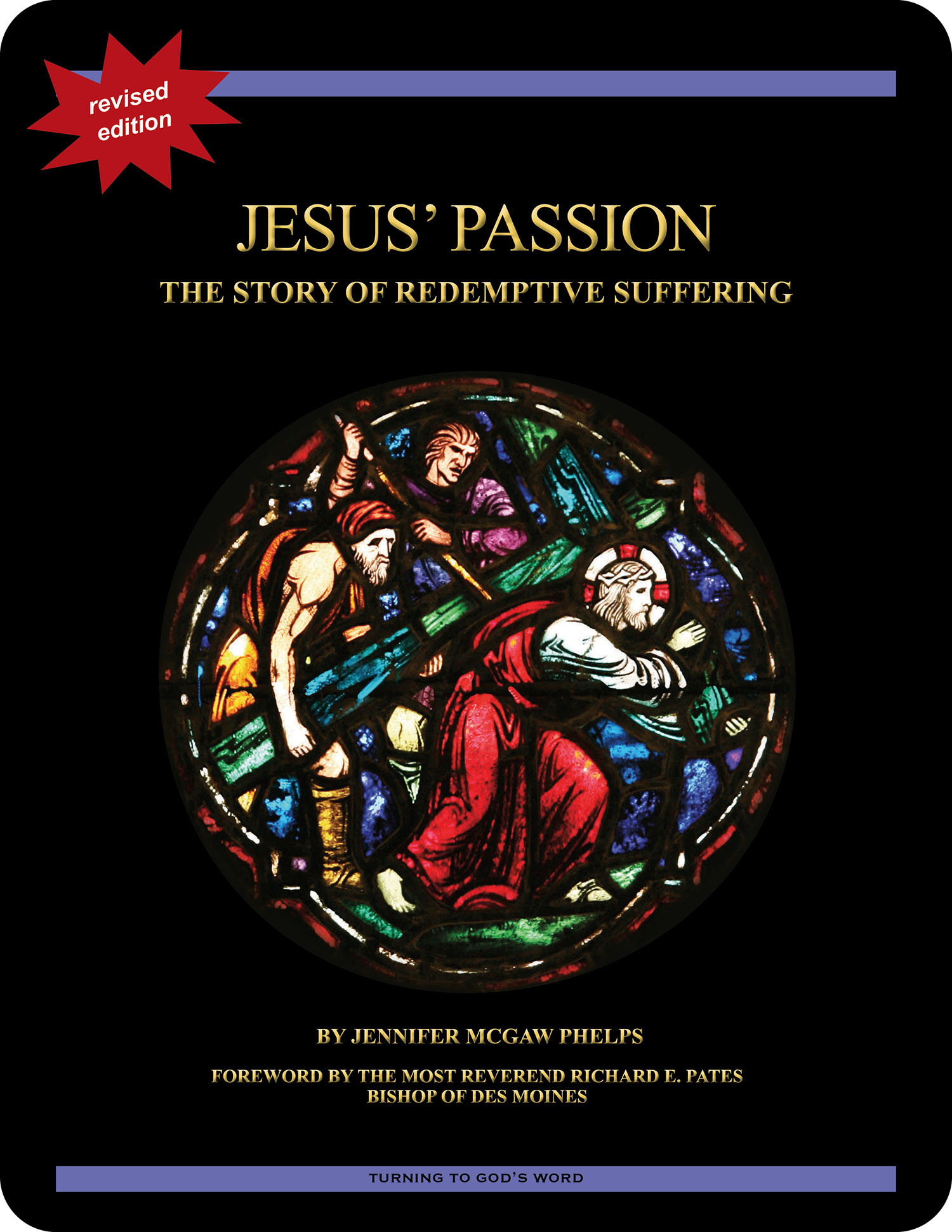 Jesus’ Passion: The Story of Redemptive Suffering is a five-lesson Catholic Bible study offering an in-depth look at the biblical foundations of the movie The Passion of the Christ. This revised study, which has been granted an imprimatur, contains all of the original material of the 2004 edition as well as many new features in an improved, reader-friendly format. Free digital lessons of Jesus’ Passion: The Story of Redemptive Suffering are available on our website during Lent. Click here to view a sample of the first lesson.
 Click on the picture of the statue of Moses with horns (above) to learn more about Lost in Translation. A new entry is archived each Monday. Contact us to receive Lost in Translation by email every week. You may use any of the contact links on our website to ask Matthew a question.