
authority
 A key teaching in the Gospel According to Mark 1:21–28 (NABRE) is that Jesus teaches with authority and the scribes don’t. The evangelist identifies this as the key differentiator in Jesus’ teaching.
The Greek word ἐξουσία (exousia) is translated as authority in this passage. It also can mean “power.” This word contains a derivative of the Greek verb “to be,” and so is related to being or to what is. Authority or power in this context is the ability to change what is or to alter reality. In this week’s passage, we see an example of Jesus’ authority when he drives out an unclean spirit. Jesus’ words aren’t merely descriptive but performative—his teachings by their very nature create new reality.
Consider whether you see Jesus’ words and teachings as still having authority today. What role, if any, do you think our responses to God’s teaching have in how much authority they’re perceived as having?
you also may like our two-part study of the prophets
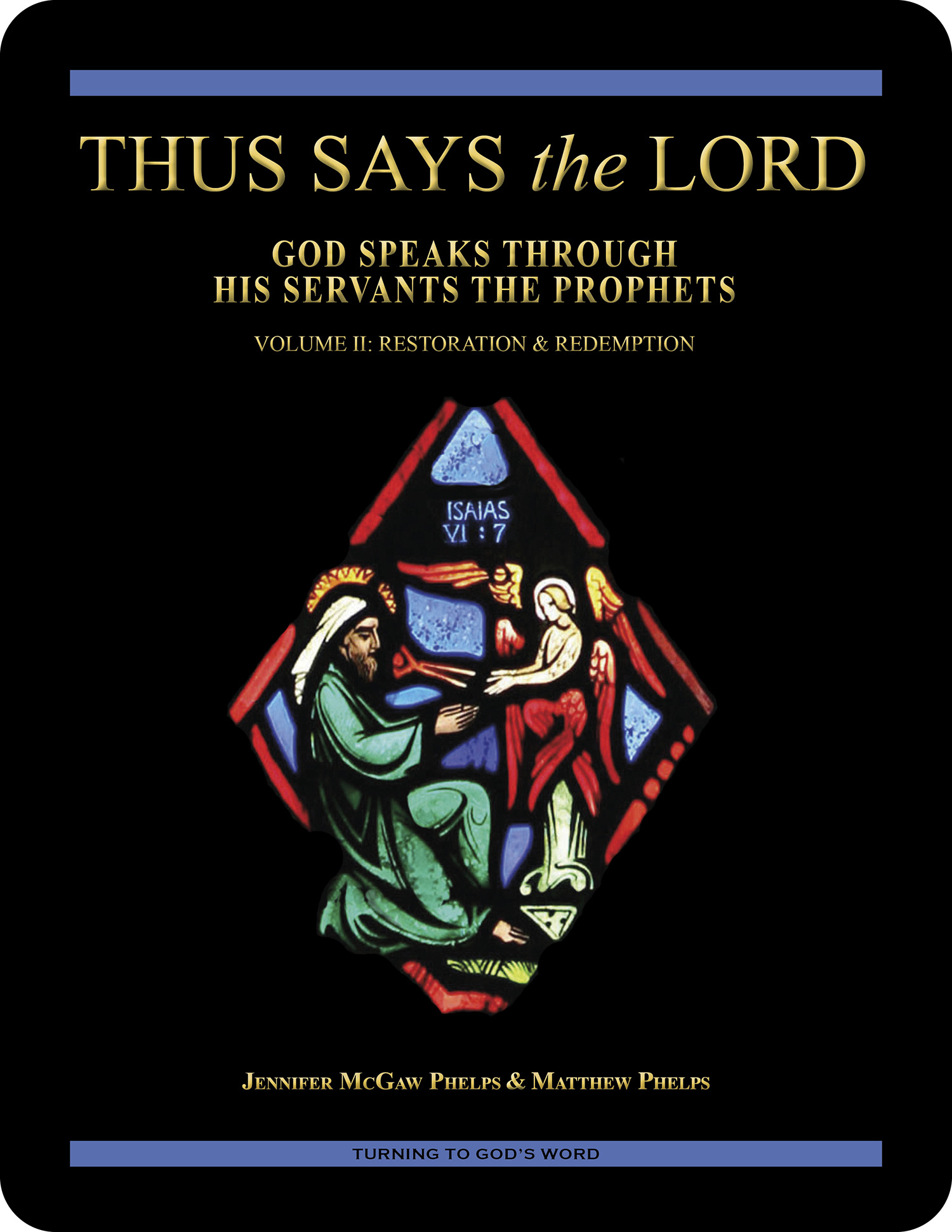
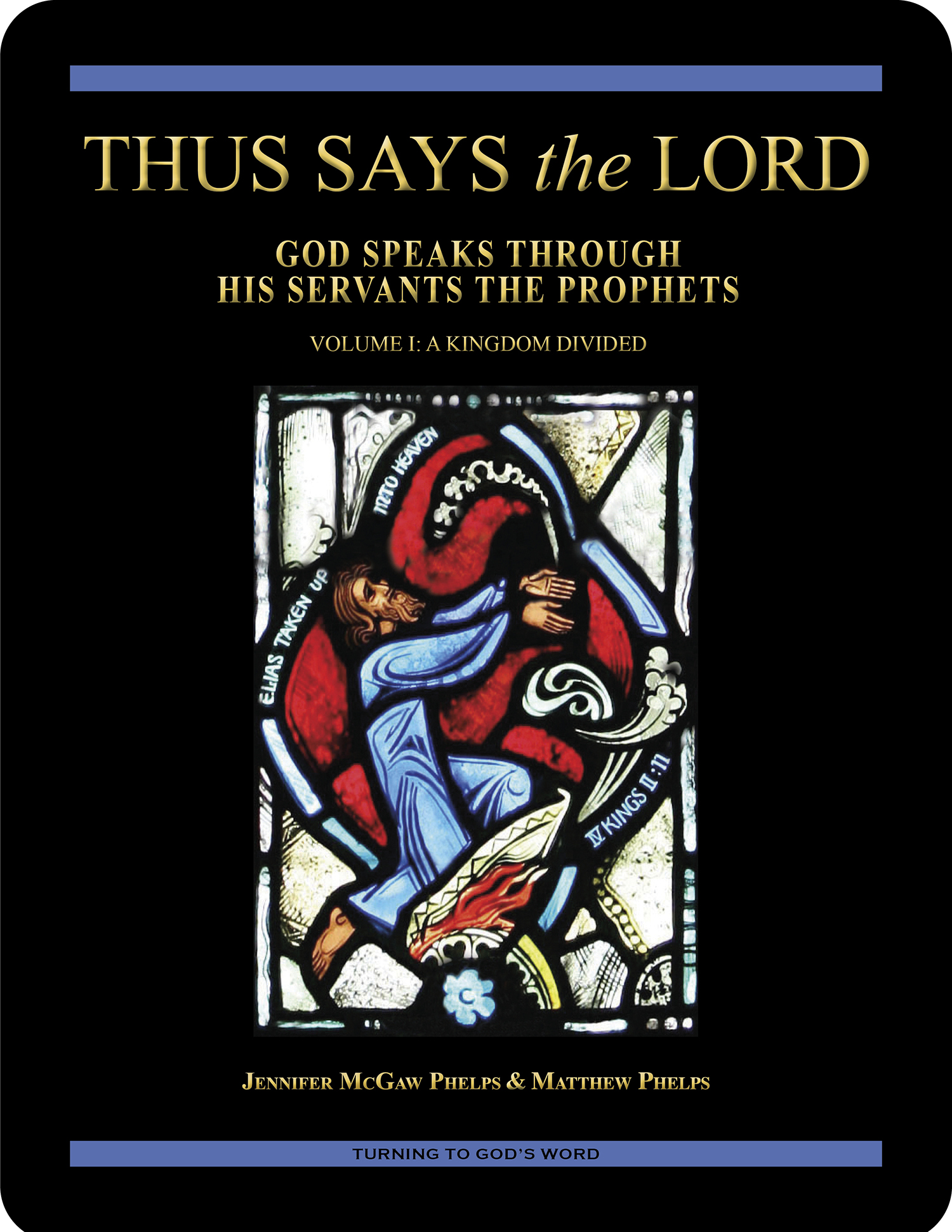 Thus Says the LORD: God Speaks Through His Servants the Prophets—Volume I: A Kingdom Divided examines the prophets in historical context using the First and Second Books of the Kings and other Old Testament passages written before the Babylonian Exile. Volume II: Restoration & Redemption looks at the post-exilic prophets. This 51-lesson Catholic Bible study builds on The United Kingdom of Israel: Saul, David & Solomon Foreshadow Christ the King. Click on these links to view a lesson from Volume I and another from Volume II.
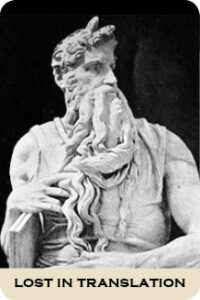
 Click on the picture of the statue of Moses with horns (above) to learn more about Lost in Translation. A new entry is archived each Monday. Contact us to receive Lost in Translation by email every week. You may use any of the contact links on our website to ask Matthew a question.