belief
 The Gospel According to John 14:12 (NABRE) is set at a time just prior to Jesus’ Passion, and it centers on the idea of belief. The culmination of this theme is found in Jesus’ words: “Amen, amen, I say to you, whoever believes in me will do the works that I do, and will do greater ones than these, because I am going to the Father.” The idea of belief and the corresponding notion of faith historically have created a significant amount of discussion and division. What do you think belief means in the context of this Scripture passage?
The Greek word πιστεύω (pisteuo) is the word that is translated here as “to believe.” In the noun form, this word is also the Greek word for faith. The Greek word has a significantly different connotation from what we tend to think of when we think of faith, however. The Greek word means “to trust,” “to put faith in,”or “to rely on.”
Let’s examine this concept again in light of the Gospel According to John 14:12 (NABRE), specifically Jesus’ phrase “whoever believes in me will do the works that I do.” With our modern notion of faith, this condition reads as though having belief or faith empowers one to do the works that Jesus did, and it seems to emphasize works. Faith then appears as a prerequisite for doing such works. This view of faith suggests that faith is something that allows us to reach up and to connect with God.
The Greek statement, however, has a somewhat different emphasis and seems to suggest rather that the works are almost incidental. The burden is placed on trusting God. The condition implies that trust is primary, and it de-emphasizes the result of the works. It’s trust in Jesus that allows any works. Faith in this sense shows Jesus reaching down to connect with us.
related topics: believe in Jesus; faith; justification; little faith
you also may like our study of the book of Exodus
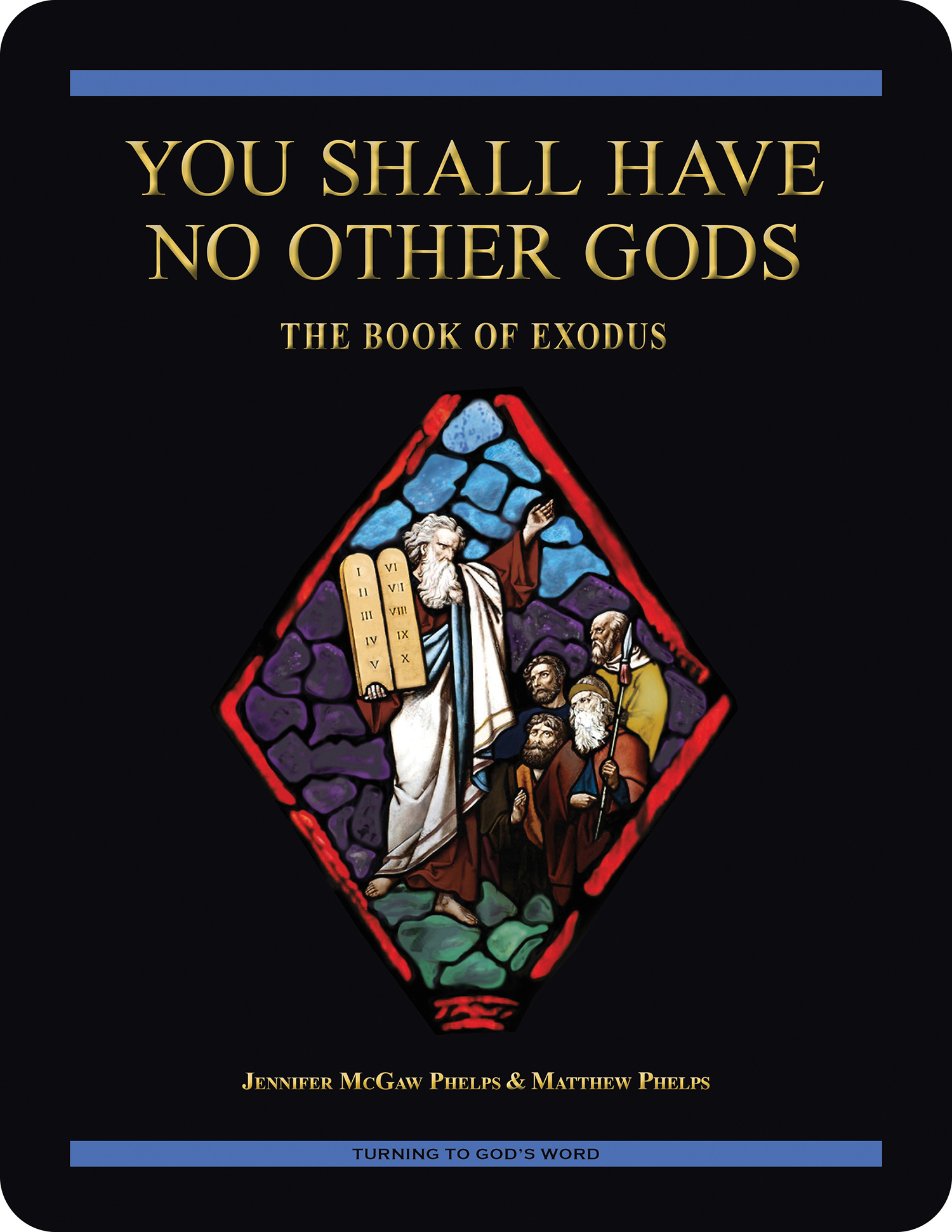 You Shall Have No Other Gods: The Book of Exodus, a 28-lesson Catholic Bible study with an imprimatur, provides an in-depth look at how significant events in biblical history that occurred thousands of years ago to descendants of Jacob remain relevant and even critical for present-day Christians to understand. The deliverance of the Hebrews from slavery in Egypt and the giving of Ten Commandments are examined along with the development of Moses’ relationship to God. Click here to view a sample of the first lesson.
 Click on the picture of the statue of Moses with horns (above) to learn more about Lost in Translation. A new entry is archived each Monday. Contact us to receive Lost in Translation by email every week. You may use any of the contact links on our website to ask Matthew a question.
Leave a Reply
You must be logged in to post a comment.