
daily needs
 The “Our Father,” also known as the Lord’s Prayer, is found in the Gospel According to Matthew 7:9–15 (NABRE). What’s especially interesting about the Greek version of this prayer is that it contains in both Matthew’s and Luke’s versions a hapax legomenon, a word that is used only once. The word in the “Our Father” typically translated as daily in “give us this day our daily needs” is not used anywhere else in all of classical or biblical Greek literature.
The word ἐπιούσιος (epiousios) likely was coined specifically for the context of the “Our Father.” It has two roots, the prefix epi meaning “to” or “toward” and ousios from the Greek word for “to be.” Because of these roots, Jerome, Origen, and many of the early Church Fathers saw this word as meaning “necessary for being or existence.”
How do you think this insight changes the meaning of the “Our Father”?
related topics: prayer; prayer as barter
you also may like our two-part study of the prophets
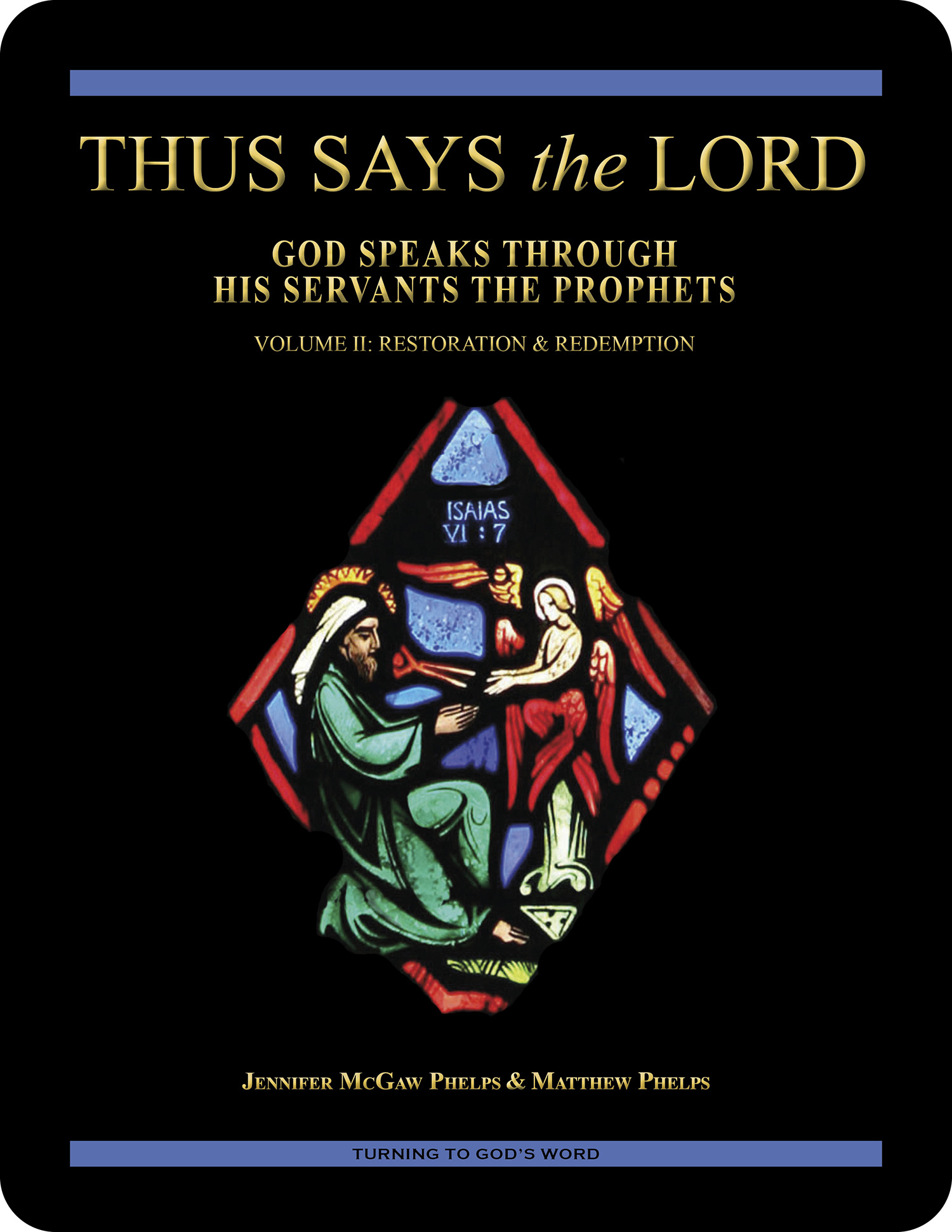
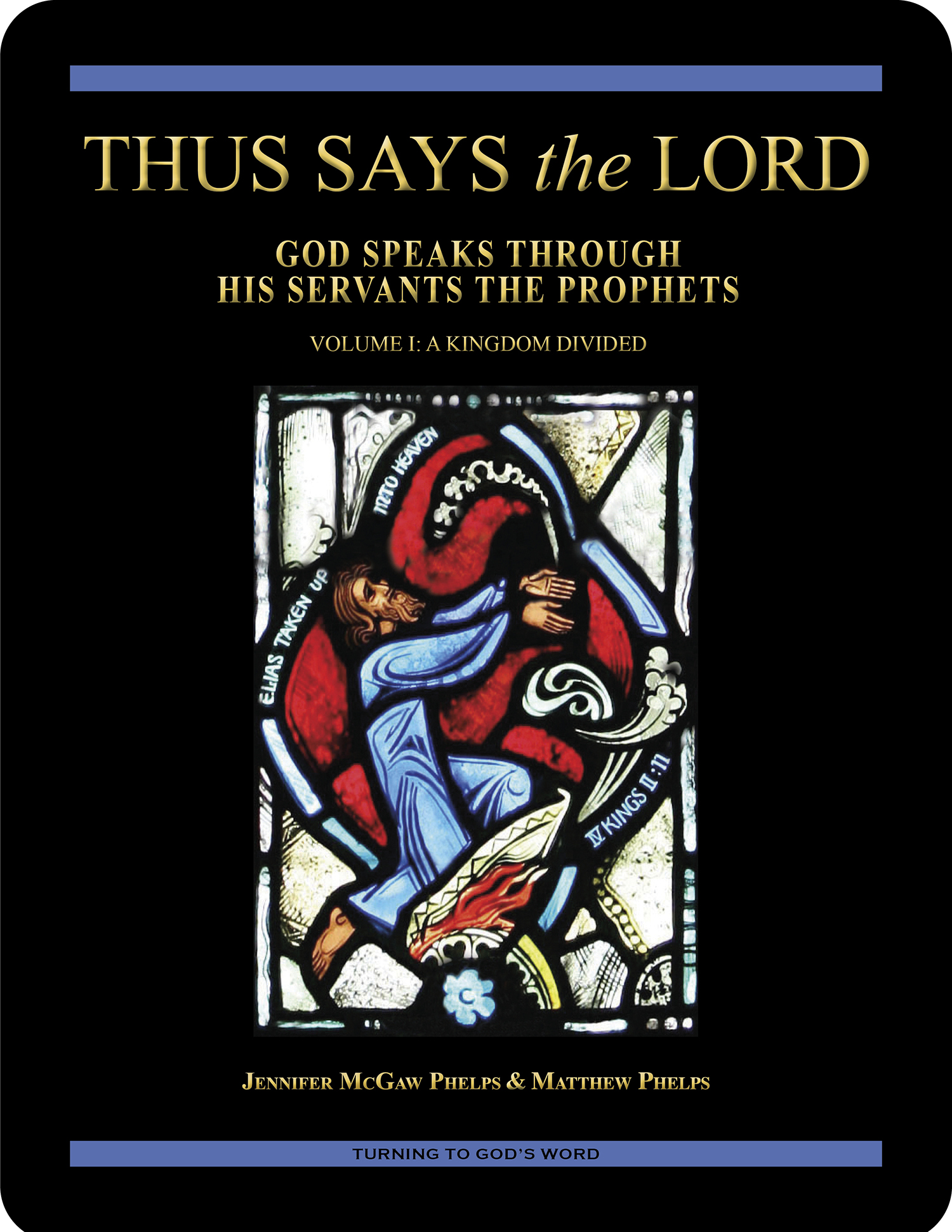 Thus Says the LORD: God Speaks Through His Servants the Prophets—Volume I: A Kingdom Divided examines the prophets in historical context using the First and Second Books of the Kings and other Old Testament passages written before the Babylonian Exile. Volume II: Restoration & Redemption looks at the post-exilic prophets. This 51-lesson Catholic Bible study builds on The United Kingdom of Israel: Saul, David & Solomon Foreshadow Christ the King. Click on these links to view a lesson from Volume I and another from Volume II.
 Click on the picture of the statue of Moses with horns (above) to learn more about Lost in Translation. A new entry is archived each Monday. Contact us to receive Lost in Translation by email every week. You may use any of the contact links on our website to ask Matthew a question.