
Epiphany
 Epiphany occurs as a part of the Church’s celebration of the Christmas season. During this solemnity, we contemplate the three magi coming to Jesus and, by extension, the manifestation of God in human form to the Gentiles. The concept of Epiphany, however, has a broader meaning, and there is perhaps more that we can take from this feast. (The traditional date of Epiphany is January 6, but in 2026 the Church will celebrate Epiphany on Sunday, January 4.)
The Greek word ἐπιφάνεια (epiphaneia) literally means “an appearance,” and the Epiphany of God is foretold in the Book of Isaiah 60:1 (NABRE): “Arise! Shine, for your light has come, the glory of the LORD has dawned upon you.” When we celebrate Epiphany, we’re celebrating at its root the manifestation of God as a human being. The spirit of the solemnity very much continues the mystery of Christmas. This is the season in which we celebrate God’s appearance before us in an unprecedented and unexpected way, as reflected in the reading for the Mass from the Gospel According to Matthew 2:1–12 (NABRE).
What is the most surprising thing about the way that God chose to appear to the magi? How might God have been expected to appear? Why do you think it is that God decided to appear in the way that he did? How many ways can you name in which God continues to appear in our world?
related topics: behold; Happy Christmas; light
you also may like our free Lenten study of Jesus’ Passion (digital only)
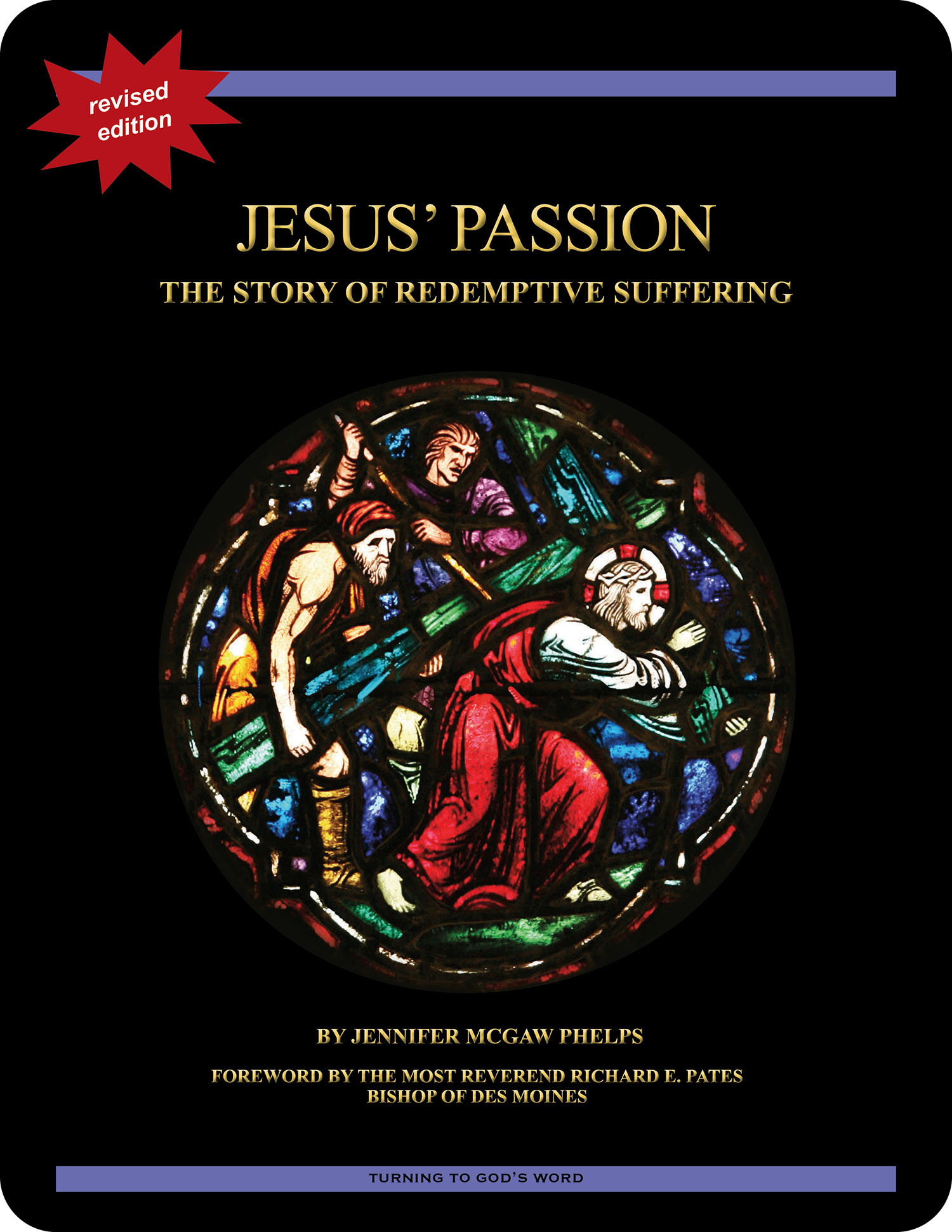 Jesus’ Passion: The Story of Redemptive Suffering is a five-lesson Catholic Bible study offering an in-depth look at the biblical foundations of the movie The Passion of the Christ. This revised study, which has been granted an imprimatur, contains all of the original material of the 2004 edition as well as many new features in an improved, reader-friendly format. Free digital lessons of Jesus’ Passion: The Story of Redemptive Suffering are available on our website during Lent. Click here to view a sample of the first lesson.
 Click on the picture of the statue of Moses with horns (above) to learn more about Lost in Translation. A new entry is archived each Monday. Contact us to receive Lost in Translation by email every week. You may use any of the contact links on our website to ask Matthew a question.