
evil
 In the Gospel According to Matthew 12:34–35 (NABRE), Jesus contrasts good and evil treasures. This contrast is made more interesting because one of the Greek words chosen is not what might be expected in this context.
The Greek word translated as “good” is ἀγαθός (agathos), the Greek adjective meaning “good.” The word translated here as evil or “wicked” is the Greek word πονηρός (poneros), which is not the standard Greek opposite of agathos. The root concept of poneros is “being oppressed by toils” and takes a negative connotation that suggests being useless or worthless.
Why do you think worthless is the concept suggested here as the opposite of good? What does this contrast imply about what was treasured by the people that Jesus was addressing?
related topics: demonic possession; Evil One; Satan & Beelzebub
you also may like our free Lenten study of Jesus’ Passion (digital only)
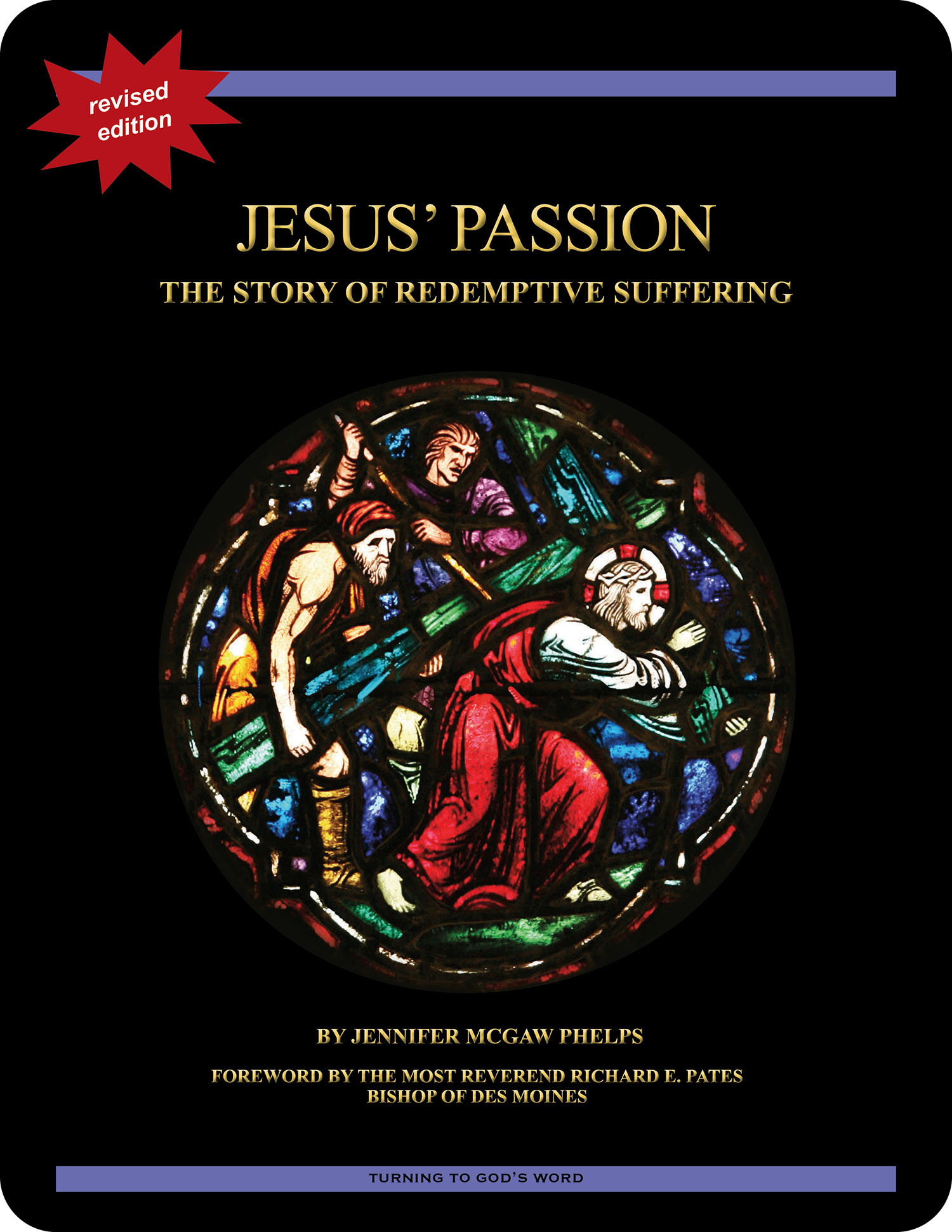 Jesus’ Passion: The Story of Redemptive Suffering is a five-lesson Catholic Bible study offering an in-depth look at the biblical foundations of the movie The Passion of the Christ. This revised study, which has been granted an imprimatur, contains all of the original material of the 2004 edition as well as many new features in an improved, reader-friendly format. Free digital lessons of Jesus’ Passion: The Story of Redemptive Suffering are available on our website during Lent. Click here to view a sample of the first lesson.
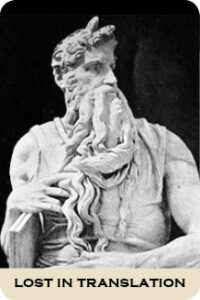
 Click on the picture of the statue of Moses with horns (above) to learn more about Lost in Translation. A new entry is archived each Monday. Contact us to receive Lost in Translation by email every week. You may use any of the contact links on our website to ask Matthew a question.