
exalt, exult & extol
 Throughout Scripture, we see three similar-sounding words used to describe praise of God: exalt, exult, and extol. A reader has asked for a discussion about the roots of these three words and what it means to praise God. If you have questions you’d like to see addressed in Lost in Translation, you can use this link to contact me via email.
All three of these words—exalt, exult, and extol—come from Latin, and all three share the same prefix, ex-, which means “up” or “out”—”up” in these cases. The difference in their meaning is due to the different root of each word. Exalt comes from the word altus meaning high, and so to exalt someone or something means to view that person or thing as up high or superior. Exult comes from salire, “to jump,” and so to exult is to jump with joy or praise. Extol comes from tollere meaning to raise or elevate, and so to extol means “to raise, to elevate, or to make high.”
In all three of these cases, we see the common idea from the prefix ex of something that is up or high. Praise is reserved for a higher thing or person. When we exalt something, we acknowledge that it is high. When we exult something, we jump up ourselves in joy, and when we extol something, we attempt by our praise to raise it up. How do you praise God?
Consider what the Church is celebrating in the Feast of the Exaltation of the Holy Cross. What is it that we “make high” when we exalt the cross?
related topic: Ascension; Assumption
you also may like our study of the Letter to the Hebrews (digital only)
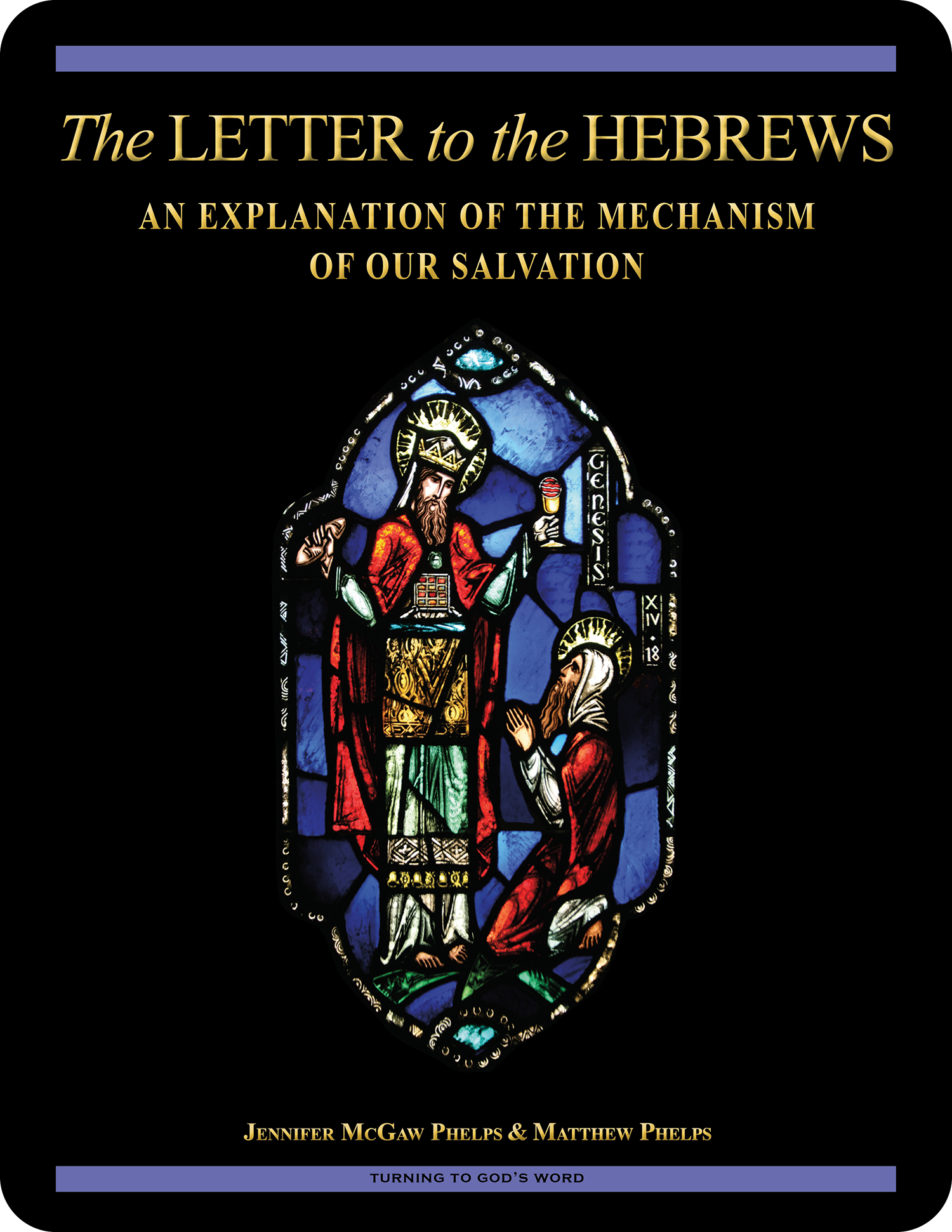 Many Christians struggle to understand one of the central mysteries of our faith: how Jesus can be both human and divine at the same time. The Letter to the Hebrews: An Explanation of the Mechanism of Our Salvation, an 18-lesson Catholic Bible study with an imprimatur, offers an in-depth look at the way in which Jesus’ dual nature allows for the salvation of humanity. The Letter to the Hebrews is designed to provide information that will encourage Christians to remain faithful. Click here to view a sample of the first lesson.
 Click on the picture of the statue of Moses with horns (above) to learn more about Lost in Translation. A new entry is archived each Monday. Contact us to receive Lost in Translation by email every week. You may use any of the contact links on our website to ask Matthew a question.