
Hades
 What is Hades? How does it differ from our Christian concept of hell?
The Gospel According to Luke 16:19–31 (NABRE) contains the parable of the rich man and Lazarus. The action takes place in the underworld, though the image used for the underworld here is noticeably different from the Christian concept of hell. The Greek word used to refer to the underworld is Ἅδης (Hades), the name of the Greek god of the underworld. The word Hades also came by extension to refer to the underworld itself. The Greek view of the underworld was a place that was an abode for all the dead—good and bad—and as such it differs significantly from the Christian understanding of hell.
This conceptual difference is important to understanding Jesus’ parable of Lazarus and the rich man. Both Lazarus and the rich man are able to see one another in the abode of the dead, though one man lived a life that was good and the other a life that was bad. The implication is that both are in the same general place, though they’re clearly having different experiences. The rich man is being tortured, while Lazarus is being comforted in the bosom of Abraham.
It’s important to note, however, that Lazarus still is not experiencing anything that resembles a Christian view of heaven. Prior to Jesus’ Passion, death, and Resurrection, heaven was closed to humanity. The idea of Hades as an abode of the dead, therefore, represents a place for all who are unable to enter heaven at the time of their death.
related topics: apocalypse; death; judgment; kill; parables
you also may like our free Lenten study of Jesus’ Passion (digital only)
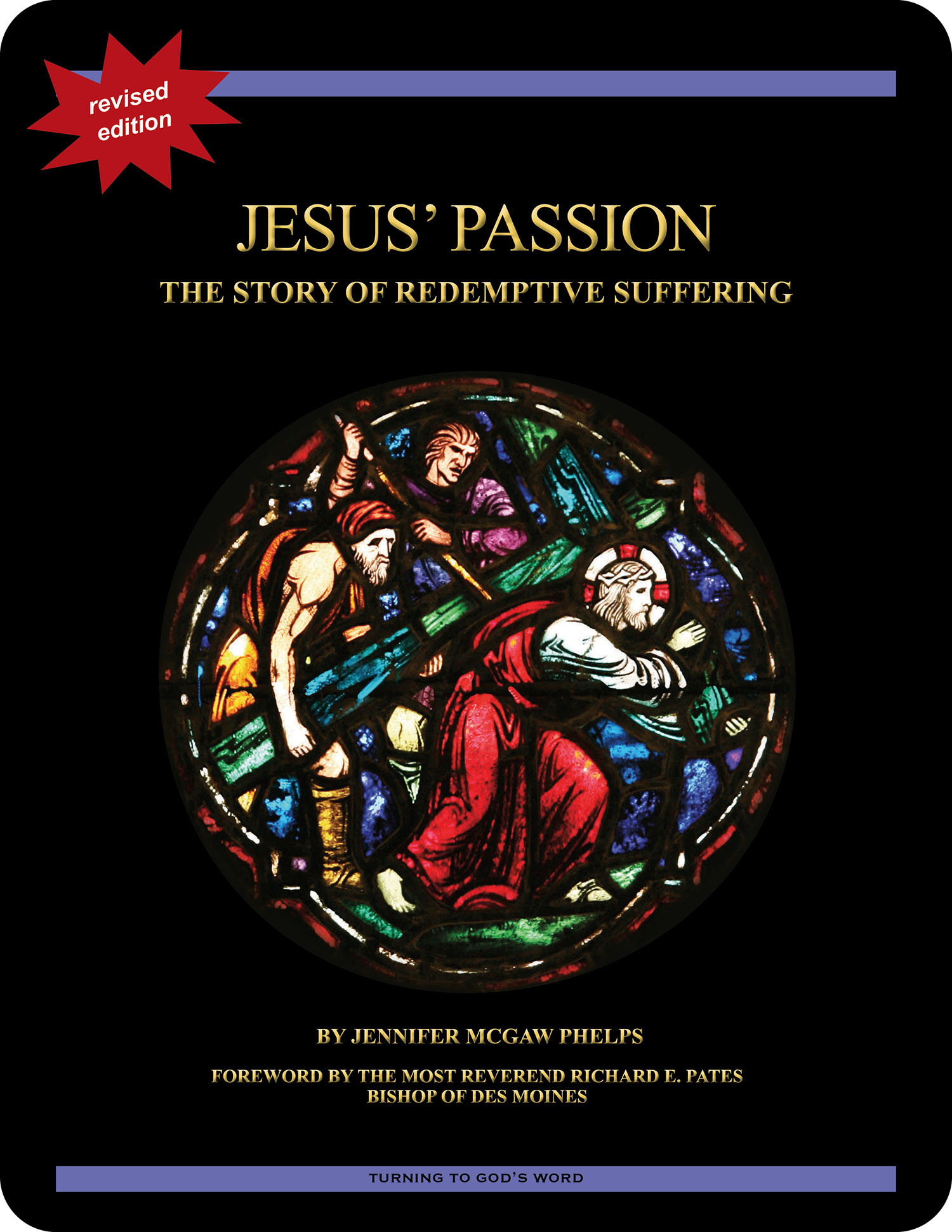 Jesus’ Passion: The Story of Redemptive Suffering is a five-lesson Catholic Bible study offering an in-depth look at the biblical foundations of the movie The Passion of the Christ. This revised study, which has been granted an imprimatur, contains all of the original material of the 2004 edition as well as many new features in an improved, reader-friendly format. Free digital lessons of Jesus’ Passion: The Story of Redemptive Suffering are available on our website during Lent. Click here to view a sample of the first lesson.
 Click on the picture of the statue of Moses with horns (above) to learn more about Lost in Translation. A new entry is archived each Monday. Contact us to receive Lost in Translation by email every week. You may use any of the contact links on our website to ask Matthew a question.