Happy Christmas
 In recent years, there’s been considerable controversy over the vocabulary we as practicing Christians should use during this season. Should we say “Merry Christmas” or “Happy Holidays” or, more confusingly, go with the British Happy Christmas? The concern over our seasonal greeting is well-intended. In the midst of an ever more commercialized and secularized Christmas, it’s easy to latch onto anything that can help us feel connected with the underlying Christian roots of the season. It’s worth noting, however, that our faith is at the heart of nearly all of the vocabulary used during this time of year.
One example is the word Noel, a word very much associated with Christmas. This word comes into English via French from the Latin word natalis, which means “birth.” The word “Christmas” is an abbreviated form of Christ Mass and marks the celebration of the Eucharist on Christmas Day. Even the word “holiday” is an abbreviation of holy day.
Ultimately, it’s not the vocabulary we use that will define the sanctity of the season but rather the way we celebrate it. Where does Jesus fit into your commemoration of Christmas?
related topics: Advent; Gaudete Sunday
you also may like our study of the book of Exodus
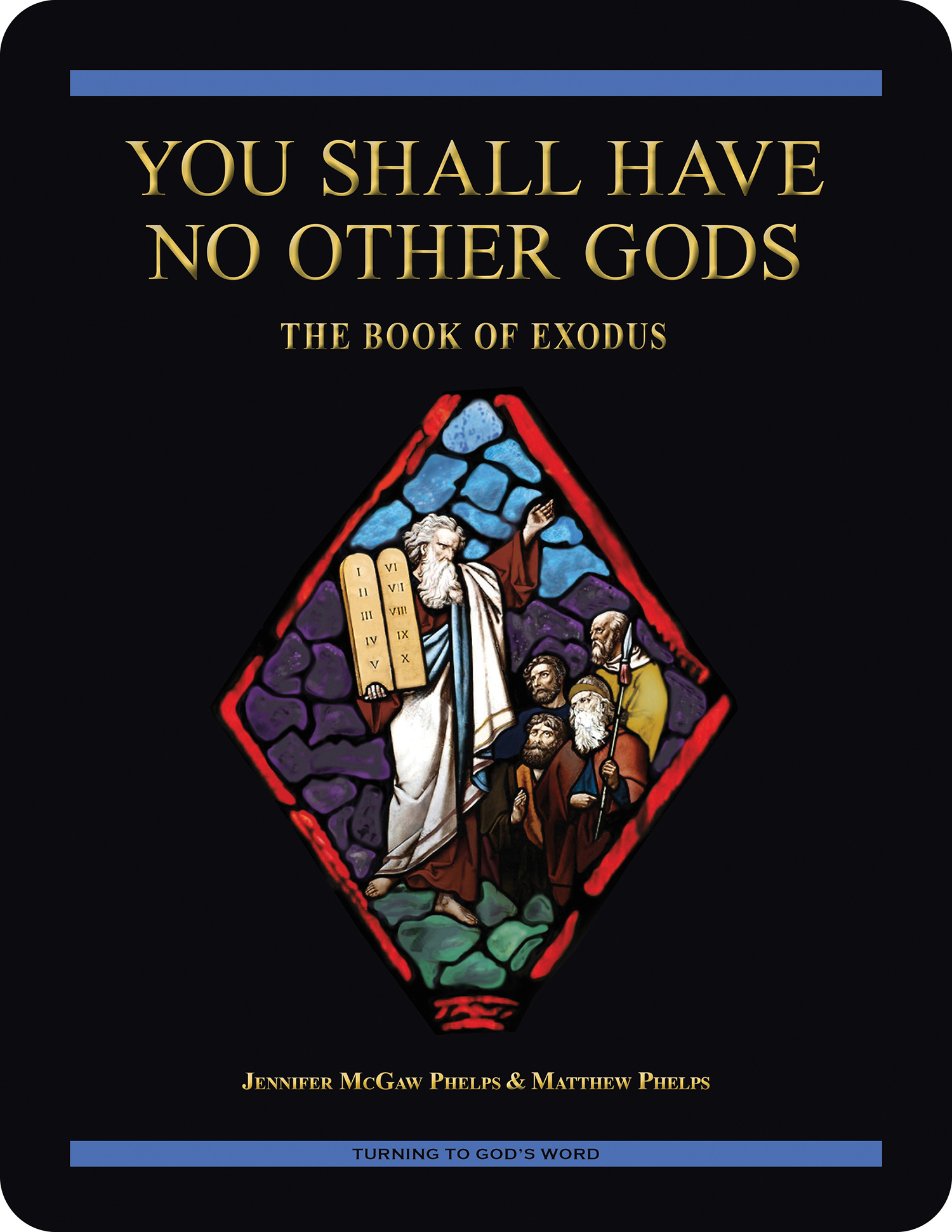 You Shall Have No Other Gods: The Book of Exodus, a 28-lesson Catholic Bible study with an imprimatur, provides an in-depth look at how significant events in biblical history that occurred thousands of years ago to descendants of Jacob remain relevant and even critical for present-day Christians to understand. The deliverance of the Hebrews from slavery in Egypt and the giving of Ten Commandments are examined along with the development of Moses’ relationship to God. Click here to view a sample of the first lesson.
 Click on the picture of the statue of Moses with horns (above) to learn more about Lost in Translation. A new entry is archived each Monday. Contact us to receive Lost in Translation by email every week. You may use any of the contact links on our website to ask Matthew a question.