hope
 The Letter to the Hebrews 11:1 (NABRE) teaches: “Faith is the realization of what is hoped for and evidence of things not seen.” Although often quoted as a definition of faith, this verse seems to be more about the relationship between faith and hope than it is a definition of either.
The Greek word ἐλπίς (helpis) is the word that is translated into English as hope and also can be translated as “expectation.” In common English usage, hope is a weak word that conveys desire rather than expectation. If anything, the word probably has come to convey the opposite of expectation. For example, we would say: “I hope it doesn’t rain tomorrow” only when we have some expectation that it will in fact rain.
As understood by the Greeks and indeed also in Christian understanding, the word hope is intended to convey firm expectation. In this sense, saying: “I hope it doesn’t rain tomorrow” indicates a firm conviction and expectation that it won’t rain. I’ll leave the house without a jacket or umbrella. More about faith can be read in recent archived posts about faith. The short summary is that faith is equivalent to trust.
How do these two concepts interplay in the Letter to the Hebrews? “What is hoped for” are the things we expect to happen. Faith is our trust in God that makes those things present to us even before they become ours—it is their realization. In this sense, faith is a necessary precondition of hope. When I trust God, I gain the ability to expect him to provide me with good things.
What do you hope for? Do you have the faith to truly believe that God will give you those things?
related topics: glory; righteousness; salvation
you also may like our two-part study of the prophets
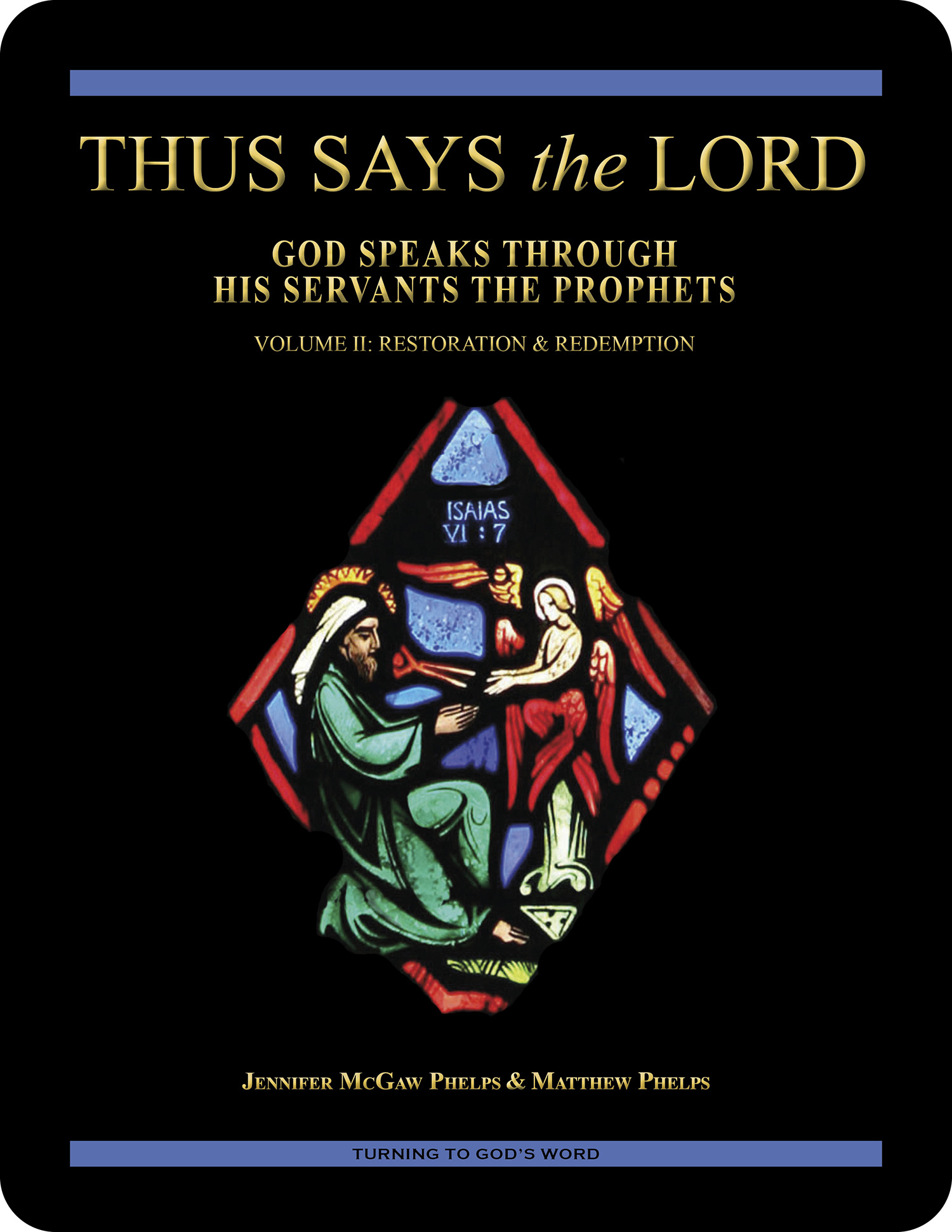
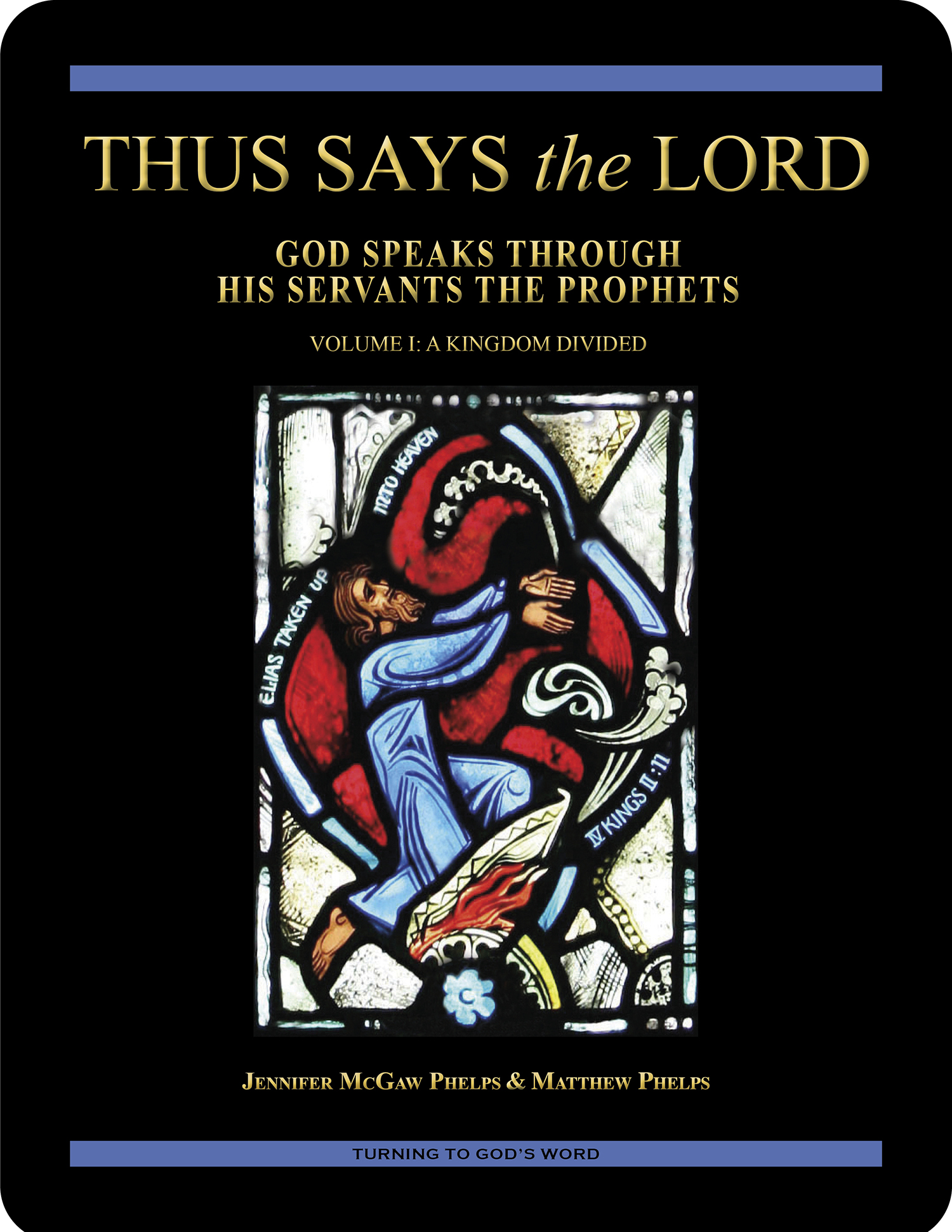 Thus Says the LORD: God Speaks Through His Servants the Prophets—Volume I: A Kingdom Divided examines the prophets in historical context using the First and Second Books of the Kings and other Old Testament passages written before the Babylonian Exile. Volume II: Restoration & Redemption looks at the post-exilic prophets. This 51-lesson Catholic Bible study builds on The United Kingdom of Israel: Saul, David & Solomon Foreshadow Christ the King. Click on these links to view a lesson from Volume I and another from Volume II.
 Click on the picture of the statue of Moses with horns (above) to learn more about Lost in Translation. A new entry is archived each Monday. Contact us to receive Lost in Translation by email every week. You may use any of the contact links on our website to ask Matthew a question.