
invisible
 In his First Letter to Timothy 1:17 (NABRE), Paul describes God using a number of different terms: “the king of ages, incorruptible, invisible, the only God.” One of these is especially interesting in light of the relatively recent change to the translation of the Nicene Creed used during the liturgy.
The newest liturgical translation of the Creed changed the word “unseen” to invisible. At first glance, this change seems unnecessary, but upon further investigation, there actually is a significant difference between these two concepts. Anything not currently within my range of sight can be called unseen because I’m not looking at it, even if it would be visible if it were within my sight. Something invisible, by contrast, could be within my sight, but I still would be unable to see it. Things that are invisible are things that can’t be seen.
The Greek word that Paul uses in his First Letter to Timothy is ἀόρατος (aoratos) and can mean either not see-able or not seen. Which meaning do you think it is that Paul intended?
you also may like our study of the book of Genesis
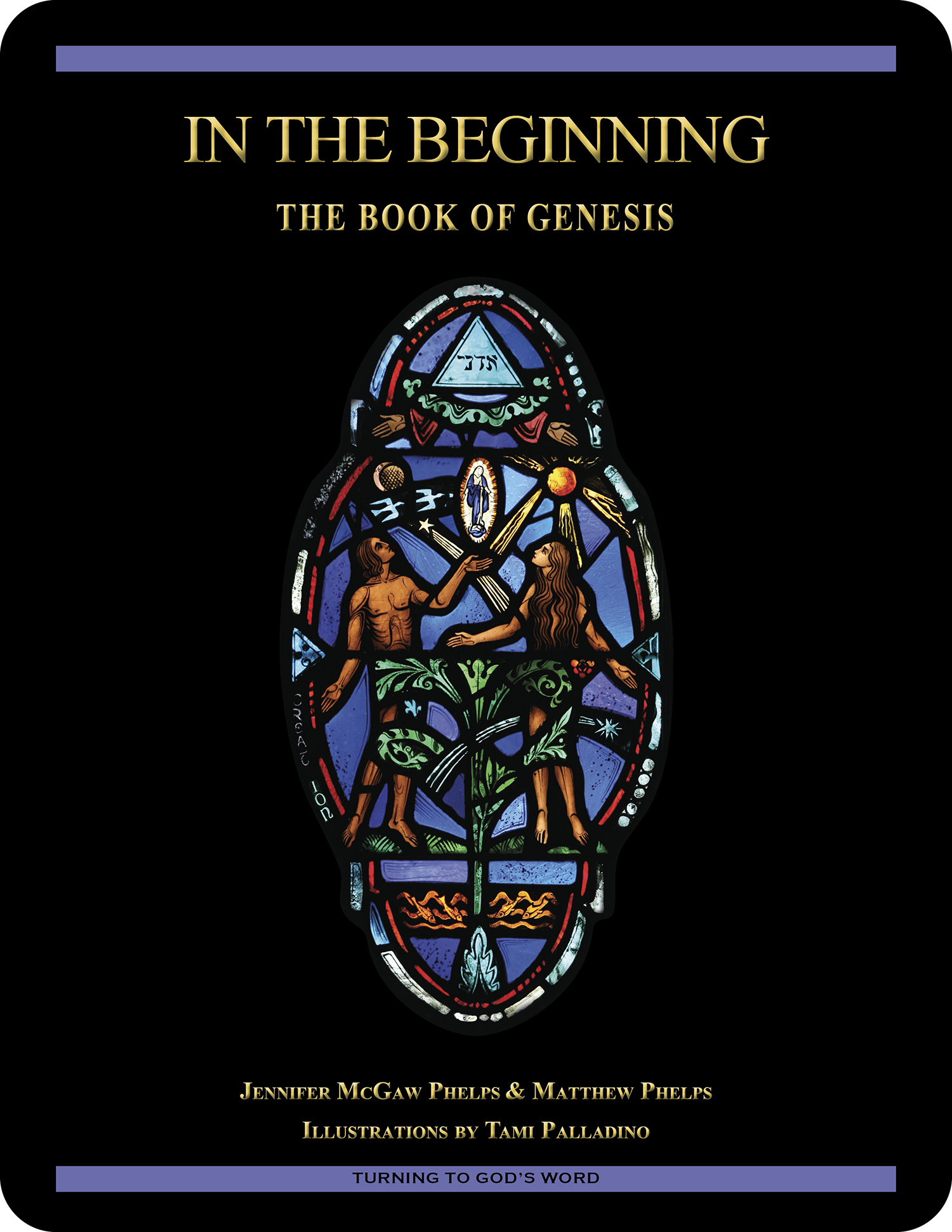 The first seven lessons of In the Beginning: The Book of Genesis, a 28-lesson Catholic Bible study with an imprimatur, provide an in-depth look at the very earliest biblical history—including the two accounts of Creation, events surrounding the Fall of Adam and Eve, the relationship between Cain and Abel, and the baptismal foreshadowing present in the account of Noah and the Flood. Remaining lessons look at lives of the patriarchs Abraham, Isaac, Jacob, and Joseph. Click here to view a sample of the first lesson.
 Click on the picture of the statue of Moses with horns (above) to learn more about Lost in Translation. A new entry is archived each Monday. Contact us to receive Lost in Translation by email every week. You may use any of the contact links on our website to ask Matthew a question.