
kill
 What does it mean to kill the body but not the soul? Jesus draws a distinction between death and destruction in this week’s liturgy, where we encounter the Gospel According to Matthew 10:28 (NABRE): “And do not be afraid of those who kill the body but cannot kill the soul; rather, be afraid of the one who can destroy both soul and body in Gehenna.” How do you think the two concepts differ?
The Greek word translated as kill in this passage is ἀποκτείνω (apokteino) and concerns killing and death as we understand them. The second word, translated in this passage as “destroy” has a wider range of meaning. ἀπόλλυμι (Apollumi) can refer to killing and death, but it can also refer to laying to waste or utter destruction or undoing.
In Greek thought, there’s a significant amount of conceptual overlap between these two words because the ancient Greeks viewed death and destruction as being essentially the same thing. The clear distinction in meaning between the two concepts in the above passage from the Gospel According to Matthew seems to be a Christian innovation. What does this passage suggest about the relationship between death and destruction? In Christian thinking, how is it different to kill than to destroy?
related topics: apocalypse; Hades; salvation
you also may like our study of the book of Exodus
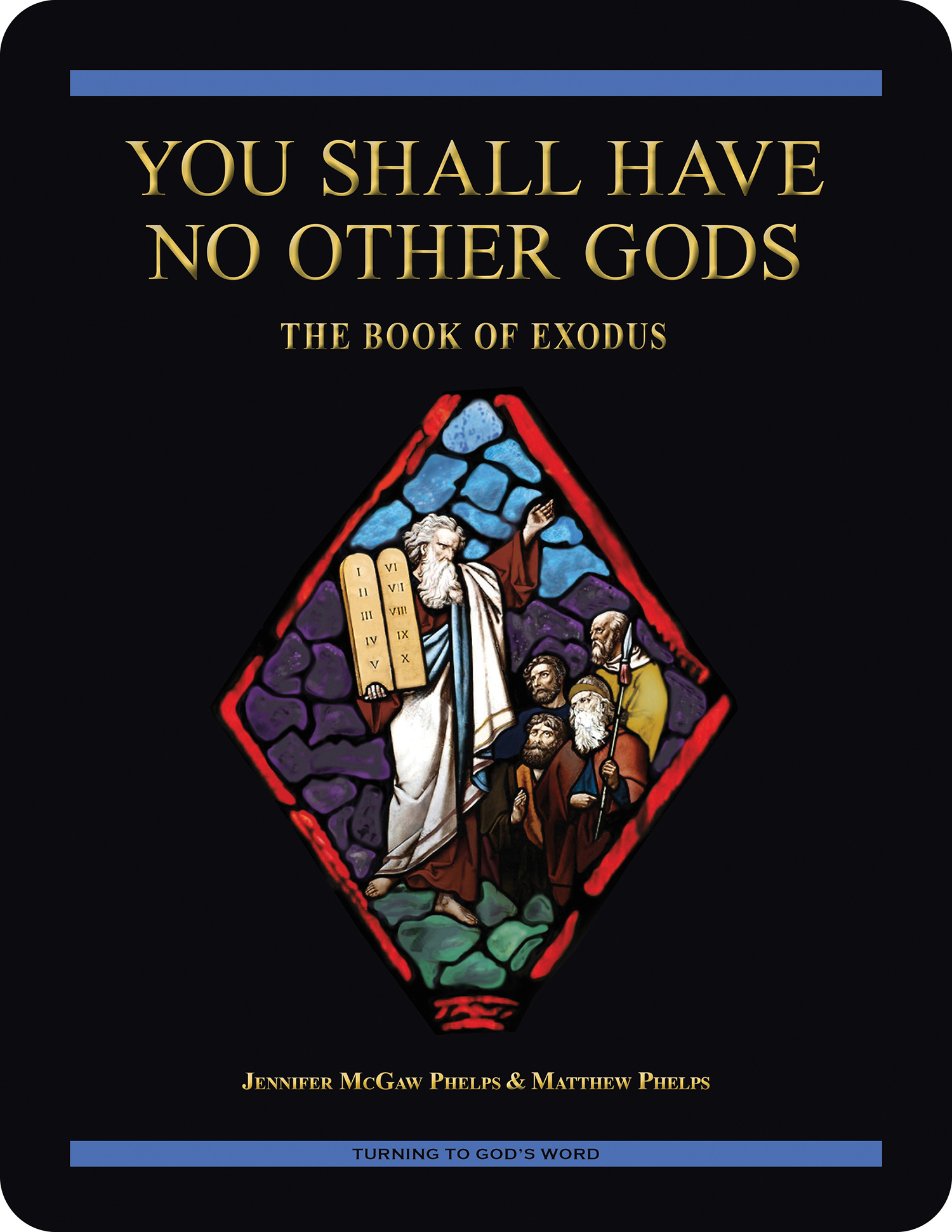 You Shall Have No Other Gods: The Book of Exodus, a 28-lesson Catholic Bible study with an imprimatur, provides an in-depth look at how significant events in biblical history that occurred thousands of years ago to descendants of Jacob remain relevant and even critical for present-day Christians to understand. The deliverance of the Hebrews from slavery in Egypt and the giving of Ten Commandments are examined along with the development of Moses’ relationship to God. Click here to view a sample of the first lesson.
 Click on the picture of the statue of Moses with horns (above) to learn more about Lost in Translation. A new entry is archived each Monday. Contact us to receive Lost in Translation by email every week. You may use any of the contact links on our website to ask Matthew a question.