
metamorphosis
T he reading from the Gospel According to Matthew 17:1–9 (NABRE) details
the appearance of Moses and Elijah along with Jesus on the mountain, and describes the transfiguration of Jesus. The liturgical feast celebrating this event goes by its Latin name, Transfiguration. The Latin word figura means “form” or “appearance.” The prefix trans- means “across,” and so as part of a compound word trans- typically indicates change.
To provide a fuller perspective on the concept, it’s interesting to compare this to the Greek word that essentially carries the same meaning, μεταμόρφωσις (metamorphosis). This word is fairly obviously the root of the English metamorphosis. Perhaps because we’ve used the Latin phrase for Christian purposes and the Greek for more secular purposes, this contrast creates an interesting view of this event and may allow us to look at it with fresh eyes.
How does thinking of this event as Jesus’ metamorphosis change your view of what happened?
related topic: transfiguration & transubstantiation
you also may like our study of the book of Genesis
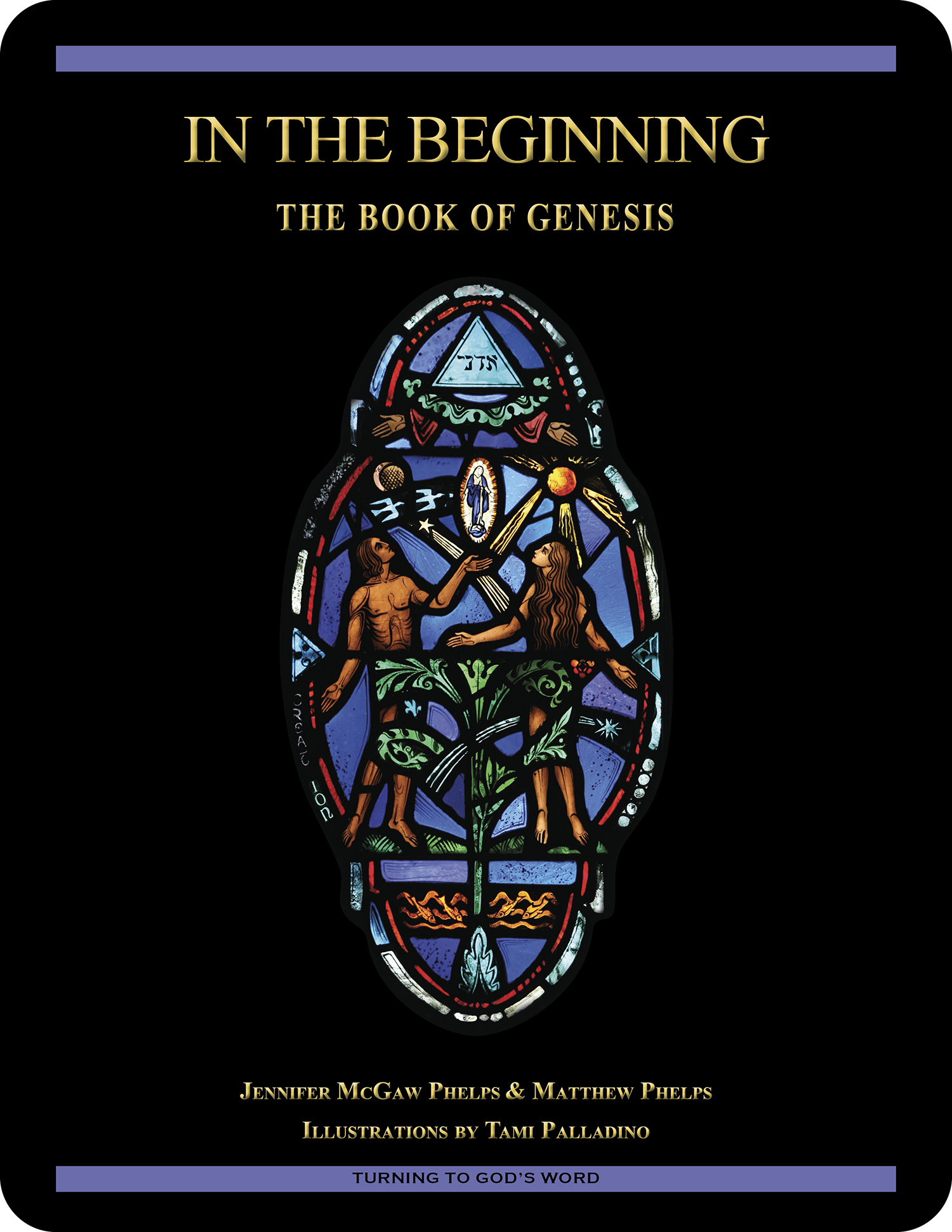 The first seven lessons of In the Beginning: The Book of Genesis, a 28-lesson Catholic Bible study with an imprimatur, provide an in-depth look at the very earliest biblical history—including the two accounts of Creation, events surrounding the Fall of Adam and Eve, the relationship between Cain and Abel, and the baptismal foreshadowing present in the account of Noah and the Flood. Remaining lessons look at lives of the patriarchs Abraham, Isaac, Jacob, and Joseph. Click here to view a sample of the first lesson.
 Click on the picture of the statue of Moses with horns (above) to learn more about Lost in Translation. A new entry is archived each Monday. Contact us to receive Lost in Translation by email every week. You may use any of the contact links on our website to ask Matthew a question.