
philia & agape
 Why would Jesus distinguish between philia and agape when asking Peter about love?
The Gospel According to John 21:15–19 (NABRE) contains one of the most interesting translation issues in the whole of Scripture, the discussion between Jesus and Peter as they talk back and forth about the notion of love. What doesn’t come through in translation is that there are two different Greek words being thrown about in the passage. Understanding that difference is critical to understanding what’s happening with this exchange.
The two words used in this passage are agape and philia. Agape refers to the self-giving love that God has for humanity as exemplified in Jesus’ Passion and death. Philia refers to a fondness or regard for another person, and was the word that the Greeks used to describe friendship.
In this passage from the Gospel According to John, there are three exchanges between Jesus and Peter centering on love. In the first two exchanges, Jesus uses the term agape and Peter uses the term philia. In the third exchange, Jesus changes his question and asks Peter instead about philia.
Perhaps the most interesting part of this exchange falls in the Gospel According to John 21:17 (NABRE): “Peter was distressed that he had said to him a third time, ‘Do you love me?‘” This text emphasizes that when Jesus changed his question, Peter was distressed. The exchange between Jesus and Peter raises the important question of what Jesus wants from each of us. Why is it, do you think, that Jesus changed his question? What does it mean that Jesus makes a distinction between philia and agape?
related topics: agape; brothers; First Letter of John; First Letter to the Corinthians; hospitality; you are my friends
you also may like our study of Saul, David & Solomon (digital only)
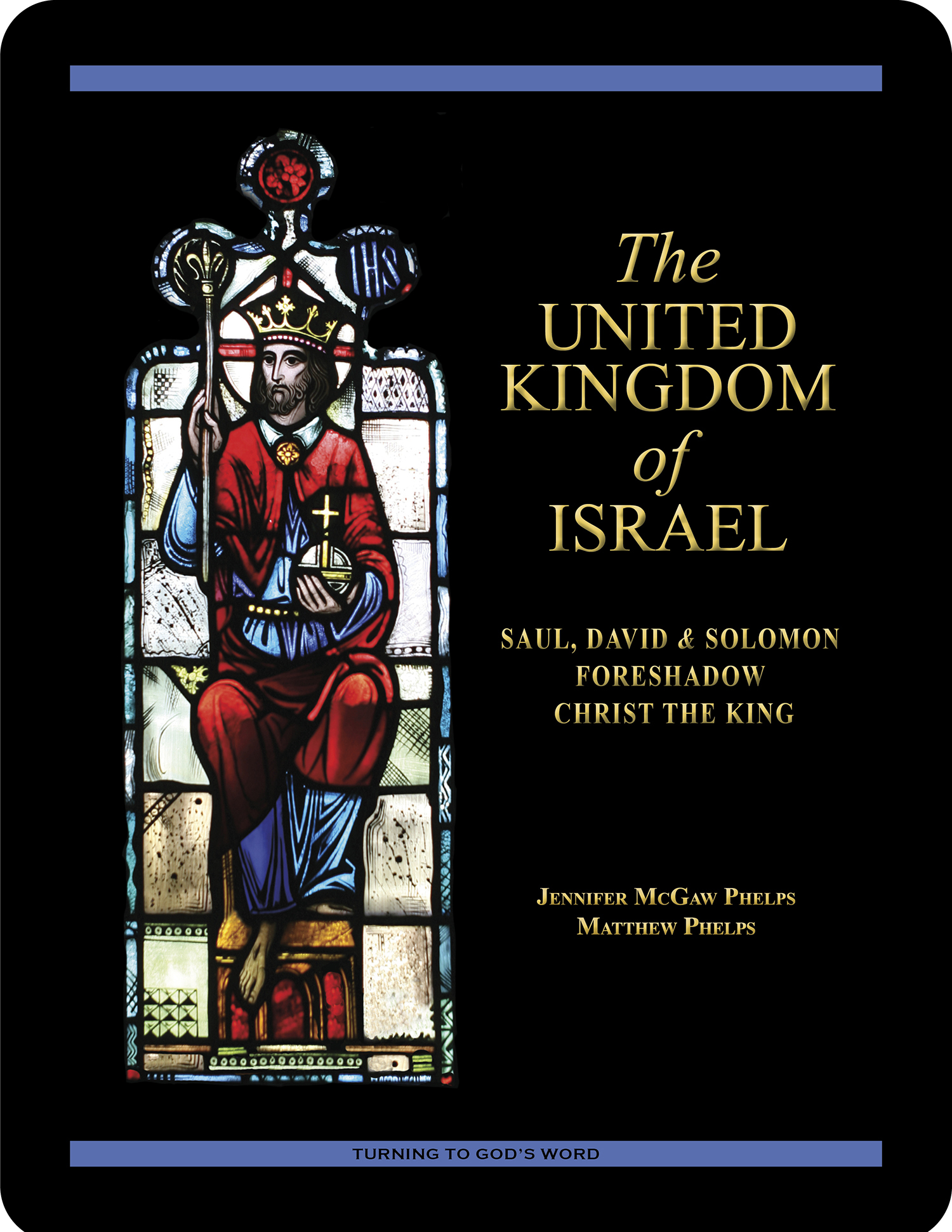 The United Kingdom of Israel: Saul, David & Solomon Foreshadow Christ the King, a 28-lesson Catholic Bible study with an imprimatur, provides an in-depth look at the First and Second Books of Samuel to learn how the lives of the monarchs Saul, David, and Solomon point ahead to the kingdom of heaven. The unified reign of King David is seen as a foreshadowing or type of the unity that is one of the four marks of the Church—the kingdom of God—established by Jesus Christ. Click here to view a sample of the first lesson.
 Click on the picture of the statue of Moses with horns (above) to learn more about Lost in Translation. A new entry is archived each Monday. Contact us to receive Lost in Translation by email every week. You may use any of the contact links on our website to ask Matthew a question.