
prophecy
 Prophets and prophecy figure heavily in the Old Testament and play a serious role in our understanding of our Christian faith. Much has been made of the prophet as a religious figure, someone who possesses supernatural knowledge not available to the average person. What is it about prophecy that so intrigues us?
The Greek word προφήτης (prophetes), which means prophet, comes from the verb πρόφημι (prophemi), a combination of a verb meaning “to speak” and the prefix pro. This prefix can mean a number of different things, most notably either “before” in the sense of time or “in front of” in a spatial context. The word prophet, then, has different meanings depending upon whether it is interpreted temporally or spatially. In modern usage, we tend to view prophecy temporally as a prediction of something still to come. The ancients, by contrast, viewed prophecy spatially as someone speaking forth to a group of people. A prophet was anyone who spoke on behalf of the gods.
So what is a prophet in the biblical sense? The mission of the prophet is not to foretell future events, though such predictions do occur. The role of a prophet is to speak for God. What does God think and how does God feel about a given situation? Prophets in every age prophesy or give voice to God’s thoughts and desires and make them known to the people.
related topics: apostle; prophet; word of God
you also may like our free Lenten study of Jesus’ Passion (digital only)
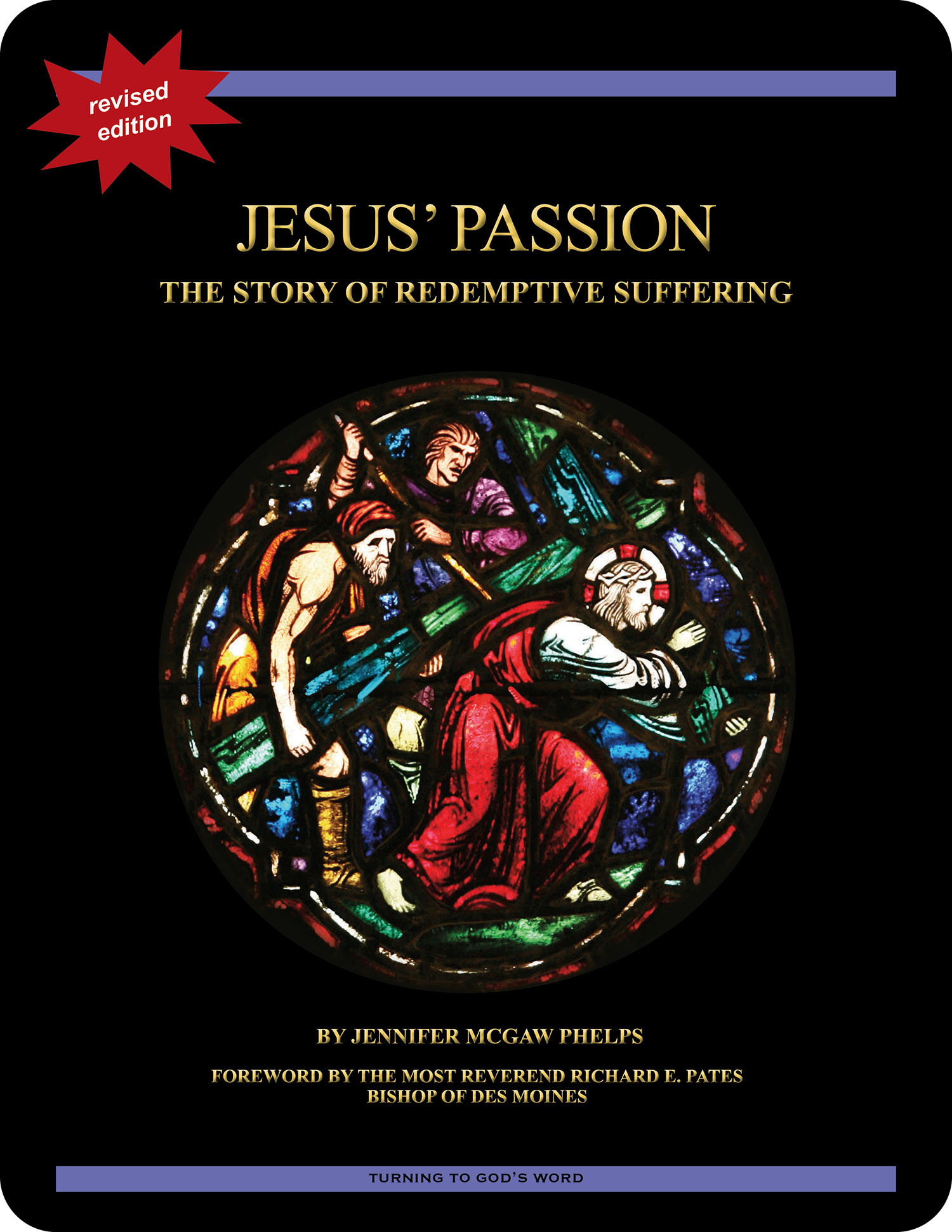 Jesus’ Passion: The Story of Redemptive Suffering is a five-lesson Catholic Bible study offering an in-depth look at the biblical foundations of the movie The Passion of the Christ. This revised study, which has been granted an imprimatur, contains all of the original material of the 2004 edition as well as many new features in an improved, reader-friendly format. Free digital lessons of Jesus’ Passion: The Story of Redemptive Suffering are available on our website during Lent. Click here to view a sample of the first lesson.
 Click on the picture of the statue of Moses with horns (above) to learn more about Lost in Translation. A new entry is archived each Monday. Contact us to receive Lost in Translation by email every week. You may use any of the contact links on our website to ask Matthew a question.
Leave a Reply
You must be logged in to post a comment.