rock
 In the Gospel According to Matthew 16:13–23 (NABRE), Simon proclaims Jesus the Son of God, and Jesus in turns renames Simon as Peter or rock. Typically in the Bible, a renaming is a deeply serious matter of profound significance regarding who that person is intended to become, and this particular event has come to have great meaning for the Church.
The name Peter comes from the Greek word πέτρα (petra), which means rock. It’s worth noting that the root word is feminine and it’s adjusted to be masculine as Peter’s name, a phenomenon we don’t often see in English. There is no record of the word rock being used as a name prior to Christian times. In the Gospel According to John 1:42 (NABRE), Jesus renames Simon Cephas, which comes from an Aramaic word that the Fourth Gospel explains also means rock.
In the Gospel According to Matthew 4:18 (NABRE), Peter is identified as “Simon, who is called Peter.” Simon is a common Hebrew name that derives from a word that means “listen.” It’s clearly a deeply important event in multiple languages that Peter be named rock. Why do you think that we continue to call him Peter in English? How would it change your view of him if we did refer to Peter as Rock?
The significance of Peter’s name is emphasized in the Solemnity of Saints Peter and Paul, traditionally observed on June 29. Peter became the rock upon which the Christian Church was built. How do you think the Church as a rock continues to support Christians today?
related topic: name
you also may like our two-part study of the prophets
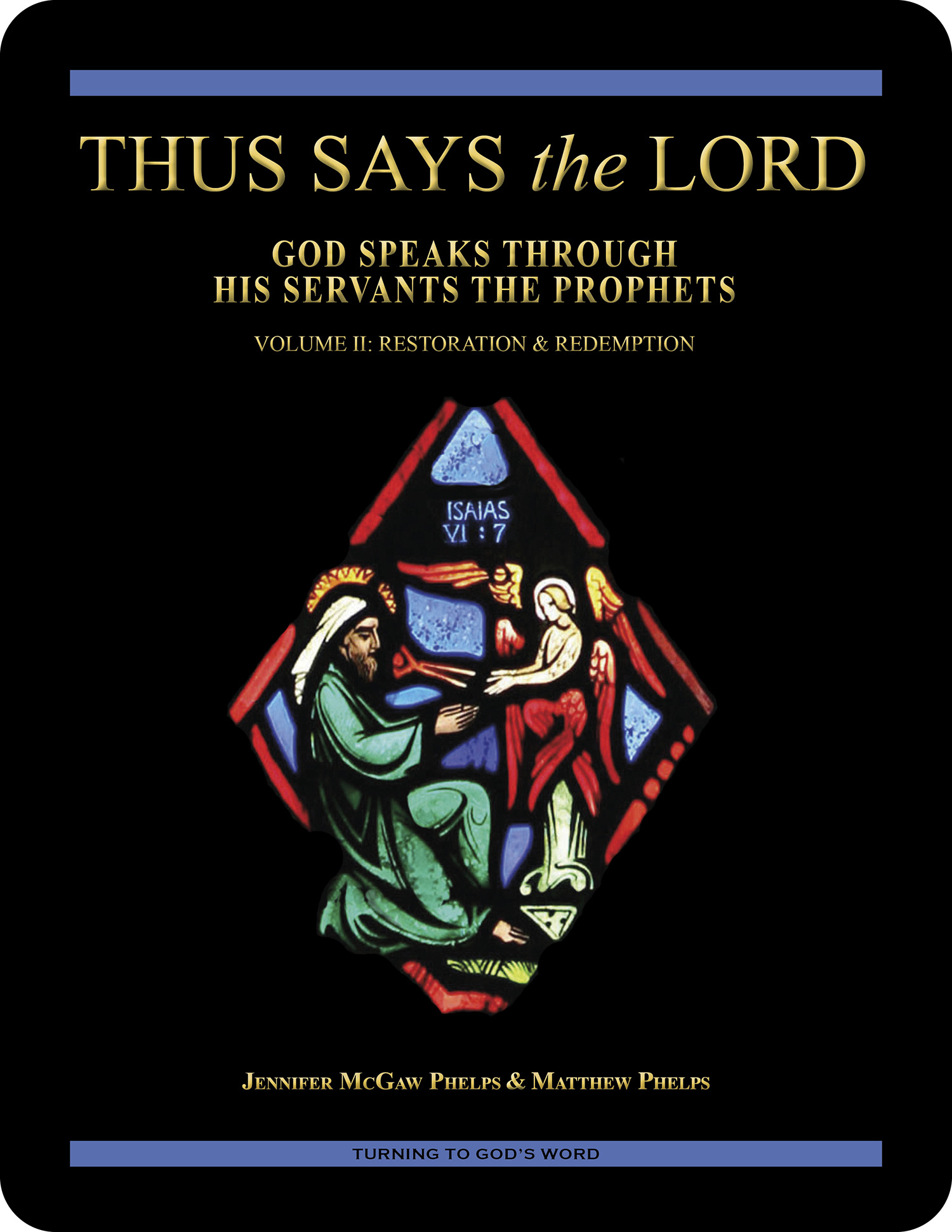
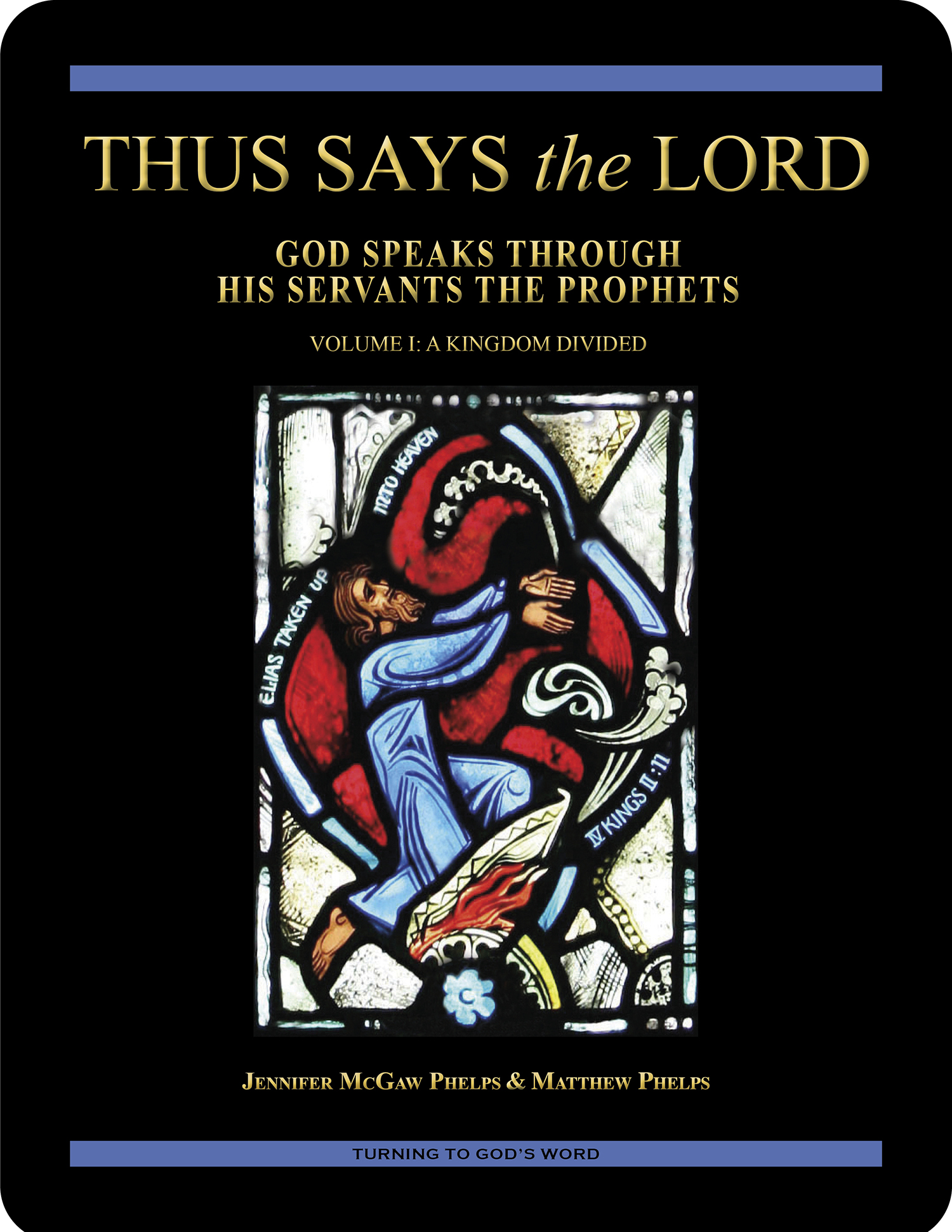 Thus Says the LORD: God Speaks Through His Servants the Prophets—Volume I: A Kingdom Divided examines the prophets in historical context using the First and Second Books of the Kings and other Old Testament passages written before the Babylonian Exile. Volume II: Restoration & Redemption looks at the post-exilic prophets. This 51-lesson Catholic Bible study builds on The United Kingdom of Israel: Saul, David & Solomon Foreshadow Christ the King. Click on these links to view a lesson from Volume I and another from Volume II.
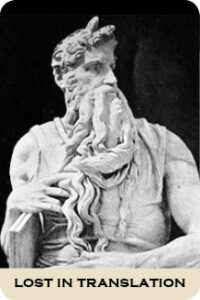
 Click on the picture of the statue of Moses with horns (above) to learn more about Lost in Translation. A new entry is archived each Monday. Contact us to receive Lost in Translation by email every week. You may use any of the contact links on our website to ask Matthew a question.