
sabbath
 The nature of the sabbath is the focus of an argument between Jesus and some Pharisees in the Gospel According to Luke 6:1–5 (NABRE). The central controversy they are debating is whether it is lawful for Jesus’ disciples to pick grain on the sabbath.
The Hebrew word that comes to us as sabbath is related to the Hebrew verb שׁבת (shâbath), which specifically means to rest from work. The sabbath at its root is a day of resting from labor or from work. The later, more abstract meaning of the sabbath as a day of resting in the Lord is a Christian interpretation.
When Jesus argues with the Pharisees, then, from a legal standpoint the question should be whether any actual work was done. Picking heads of grain while walking along a field is not exactly the same as cultivating and preparing a crop. Jesus, however, does not choose to argue the specifics of what his disciples were doing. Rather, Jesus’ argument hinges on the idea that God is what’s important on the sabbath rather than resting from work.
related topics: order & chaos; religious law; rest; stopping
you also may like our study of the Gospel According to John
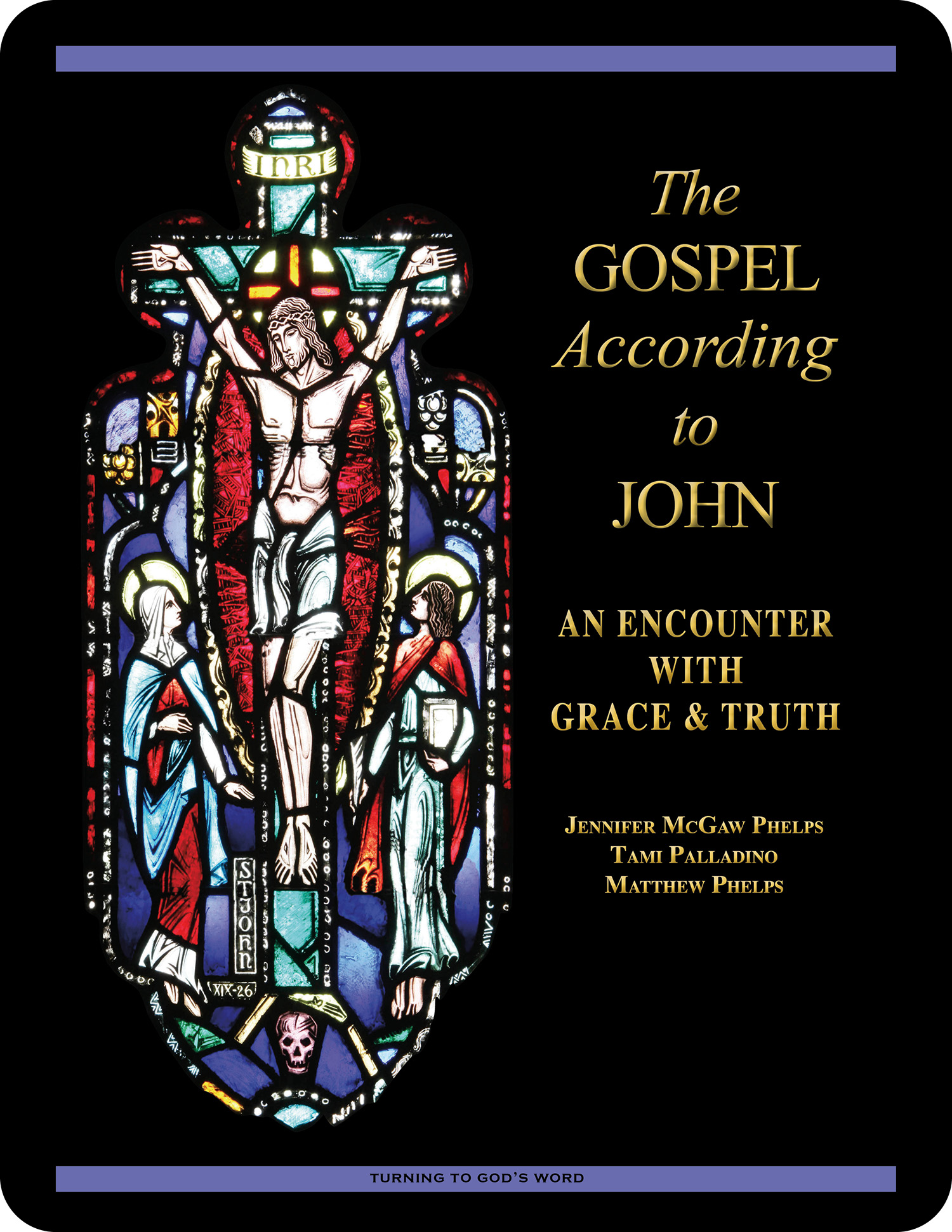 The Gospel According to John: An Encounter with Grace & Truth, a 25-lesson Catholic Bible study with an imprimatur, examines the Fourth Gospel’s view of Jesus Christ as the Son of God, with special emphasis on the institution of the sacraments of the Church as the means by which Christians are purified and made holy. This recently revised study includes maps and additional commentary, and takes a closer look at the way in which Jesus relates to individual men and women. Click here to view a sample of the first lesson.
 Click on the picture of the statue of Moses with horns (above) to learn more about Lost in Translation. A new entry is archived each Monday. Contact us to receive Lost in Translation by email every week. You may use any of the contact links on our website to ask Matthew a question.
Leave a Reply
You must be logged in to post a comment.