
scandal
 What constitutes a scandal? In the Gospel According to Matthew 11:6 (NABRE), we encounter an important word that has no documented uses in classical literature, σκάνδαλον (skandalon) and the related verb form σκανδαλίζω (skandalizo). These words appear in the New Testament, and combined they are used 50 times.
Prior to the New Testament, we do find the related word σκανδάληθρον (skandalethron), which refers to the stick placed in the middle of a trap to hold the bait and serve to spring the trap. The word skandalon additionally is used in the Septuagint as a means of translating the Hebrew mikshowl, a word that means “stumbling,” “fall,” or “a means of stumbling.”
It seems likely that the word skandalon was picked up and repeated by people who were familiar with the Septuagint text, and as such the word took on the meaning it held in that context. When we look at the idea of scandal in the New Testament, then, we’re talking about anything that could trip up someone, literally or metaphorically. Why do you think it is that this idea was so often discussed in the New Testament?
related topics: rubbish; sexual immorality; sin
you also may like our two-part study of the psalms
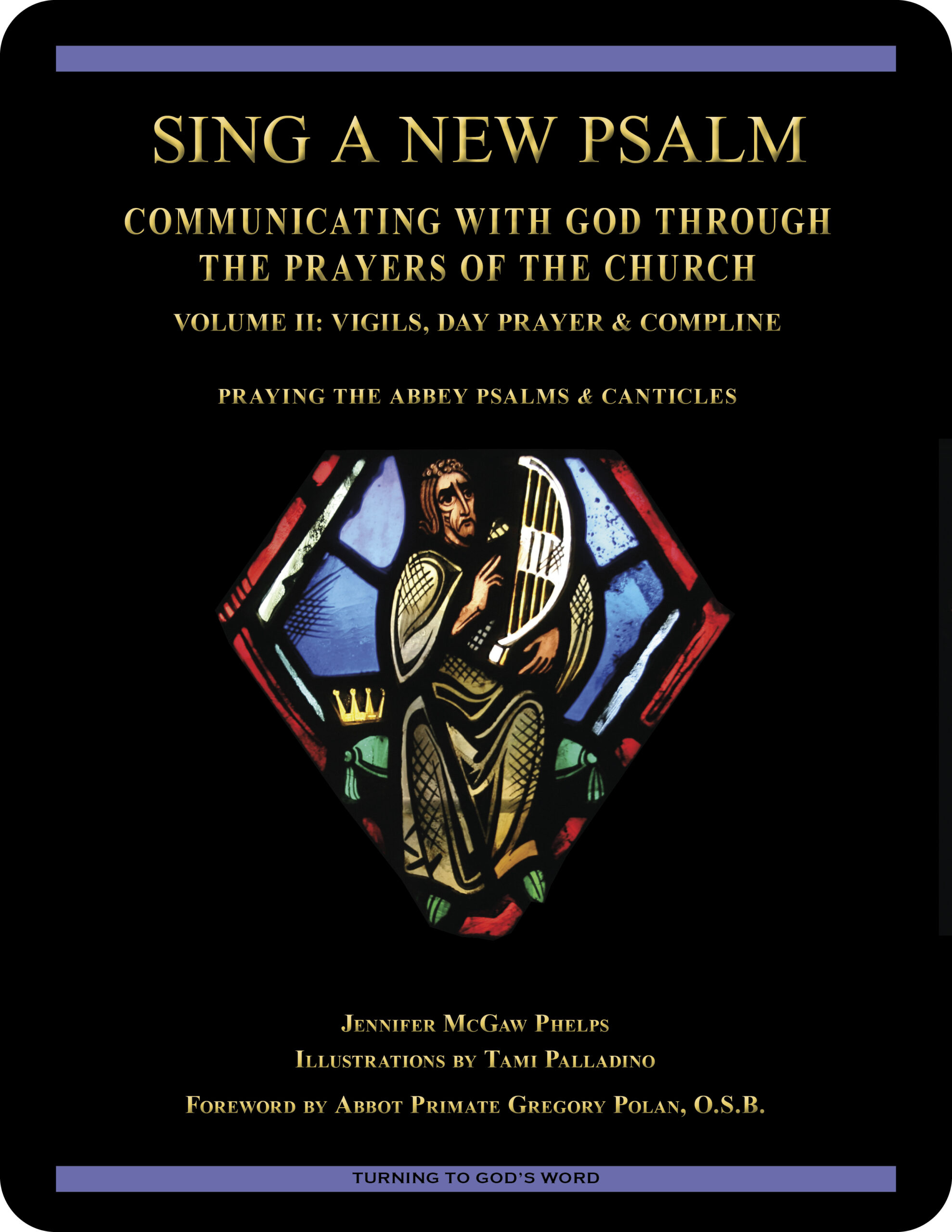
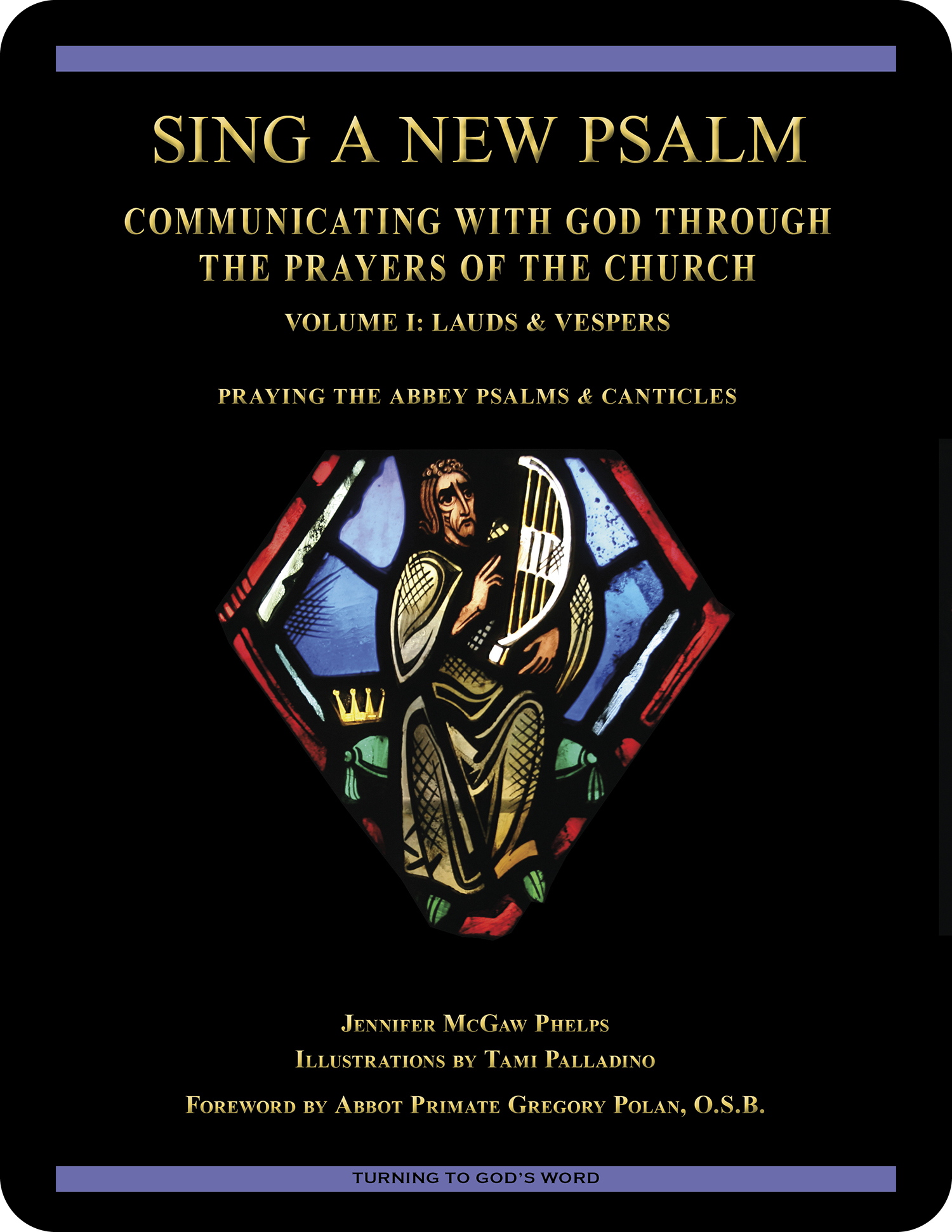 Sing a New Psalm: Communicating with God Through the Prayers of the Church provides an in-depth look at all 150 psalms based on The Abbey Psalms and Canticles, a translation prepared by the Benedictine monks of Conception Abbey and endorsed by the United States Conference of Catholic Bishops (USCCB). This translation is being included in new Liturgy of the Hours books. Volume I currently is available only in a digital format. Click on these links to view a sample first lesson from Volume I and another from Volume II.
 Click on the picture of the statue of Moses with horns (above) to learn more about Lost in Translation. A new entry is archived each Monday. Contact us to receive Lost in Translation by email every week. You may use any of the contact links on our website to ask Matthew a question.