
sojourn
 One theme that frequently emerges in the Old Testament is that of a sojourn. In the books of Genesis and Exodus especially, we read about the patriarchs and the Israelites sojourning in the Promised Land. What exactly is a sojourn, and how is it relevant to the Church today?
The word sojourn comes via French from a Latin word that literally means “under a day” and comes more broadly to mean “a temporary stay.” The early Israelites fundamentally were a traveling people who viewed every place they stayed as a temporary residence.
This same idea applies to the way the early Christians viewed time on earth. They saw their earthly lives as a sojourn, a temporary stay before ultimately reaching their permanent home in heaven. How many examples can you name from the Old Testament that describe God’s people on a sojourn? What evidence of sojourning can be found in the New Testament?
How might viewing this life as a sojourn or temporary stay change your everyday behavior? How might it change your long-term plans? Why do you think it was that the early Christians adopted this point of view?
related topics: rest; stopping; tabernacle
you also may like our study of the Letter to the Hebrews (digital only)
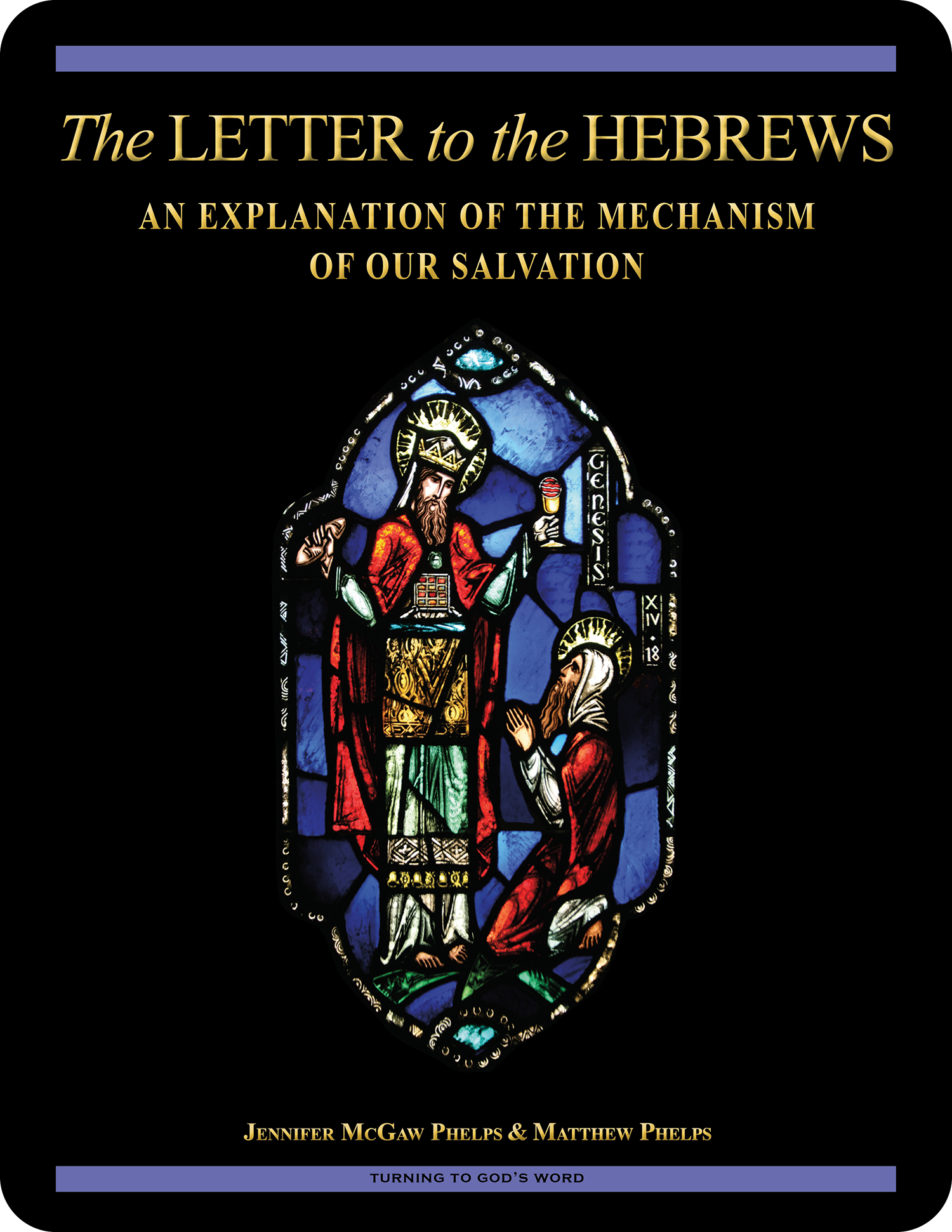 Many Christians struggle to understand one of the central mysteries of our faith: how Jesus can be both human and divine at the same time. The Letter to the Hebrews: An Explanation of the Mechanism of Our Salvation, an 18-lesson Catholic Bible study with an imprimatur, offers an in-depth look at the way in which Jesus’ dual nature allows for the salvation of humanity. The Letter to the Hebrews is designed to provide information that will encourage Christians to remain faithful. Click here to view a sample of the first lesson.
 Click on the picture of the statue of Moses with horns (above) to learn more about Lost in Translation. A new entry is archived each Monday. Contact us to receive Lost in Translation by email every week. You may use any of the contact links on our website to ask Matthew a question.