 answers to your most frequently asked questions
What Catholic Bible studies are available?
The following list includes all of our published titles. Check our shop to learn which titles currently are available. If you have a group of 20 or more persons interested in one of our sold-out studies, contact us about arranging for a special printing. Digital versions of the out-of-print studies are available for smaller orders.
- In the Beginning: The Book of Genesis
- You Shall Have No Other Gods: The Book of Exodus
- The United Kingdom of Israel: Saul, David & Solomon Foreshadow Christ the King
- Thus Says the LORD: God Speaks Through His Servants the Prophets—Volume I: A Kingdom Divided
- Thus Says the LORD: God Speaks Through His Servants the Prophets—Volume II: Restoration & Redemption
- Sing a New Psalm: Communicating with God Through the Prayers of the Church—Volume I: Lauds & Vespers
- Sing a New Psalm: Communicating with God Through the Prayers of the Church—Volume II: Vigils, Day Prayer & Compline
- The Gospel According to John: An Encounter with Grace & Truth (recently revised)
- The Letter to the Hebrews: An Explanation of the Mechanism of Our Salvation
- The Revelation of Jesus Christ: The Faithful Witness (recently revised)
Scripture & the Rosary: New Testament Mysteries, Old Testament  Parallels no longer is in print, but free digital versions of the first six lessons are available year-round on the study directory. Digital versions of lessons covering the 20 mysteries are being made available on a limited basis throughout the liturgical year.
 Jesus’ Passion: The Story of Redemptive Suffering also no longer is in print, but Turning to God’s Word posts a free version of this popular study each year during Lent.
Is Turning to God’s Word introducing a new Bible study in 2026?
 Yes. The Gospel According to Mark: A Look at the Son of God will be available from our website shop in late summer 2026. This 17-lesson Catholic Bible study is the first of our in-depth survey of the synoptic Gospels. Supplemental online pages for the Turning to God’s Word Bible study include extra commentary and questions, as well as links to an online glossary and relevant paragraphs from the Catechism of the Catholic Church. The Gospel According to Mark: An Overview will be followed by studies of the Gospels of Luke (2027) and Matthew (2028). All three will be submitted to the Most Reverend William M. Joensen, Ph.D., bishop of the Diocese of Des Moines, for an imprimatur.
what’s coming from Turning to God’s Word in 2027?
In early fall of 2026, Turning to God’s Word plans to introduce the first of three Bible studies that will examine the synoptic Gospels. Liturgical Year B will begin on November 29, 2026—the first Sunday of Advent. Sunday Gospel readings will focus on the Gospel According to Mark, which also will be the focus of the first Turning to God’s Word Catholic Bible study of the synoptic Gospels. The study of the Gospel According to Mark will be followed during liturgical Year C (in 2027–28) by the Gospel According to Luke and will conclude in liturgical Year A (in 2028–2029) with the Gospel According to Matthew. Selections from the Gospel According to John, for which there already is a Turning to God’s Word study, appear on the liturgical calendar all three years.
Can I preview your studies?
Yes. To read a sample lesson, just click on the title of any of the studies listed above to reach its directory, then click on the link to the study sample. Every directory also contains links to additional commentary, and most studies feature videos you can access from the supplemental pages.
How do I find a Turning to God’s Word study near me?
We provide a limited listing of online schedules of groups currently participating in our Bible studies under TtGW study groups. If members of your study group would like to be included, you may contact us using this email. If you’re unable to find an existing study group in your area, we offer tips on beginning your own Turning to God’s Word study at start a Bible study—whether for yourself, a small group of like-minded friends, or at your parish.
Do all Turning to God’s Word parish Bible studies have imprimaturs?
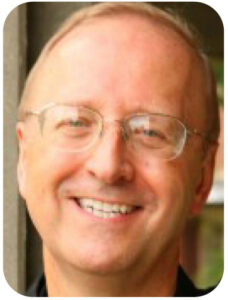
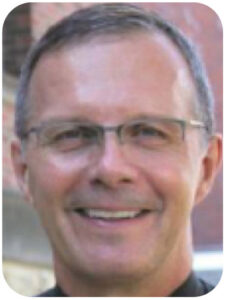
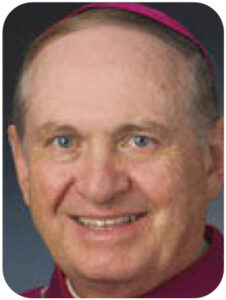 Yes. All of our studies have an imprimatur from the Most Reverend William Joensen, Ph.D. (far left), current bishop of the Diocese of Des Moines, or from the Most Reverend Richard E. Pates (near left), bishop emeritus of the diocese. Scripture & the Rosary: New Testament Mysteries, Old Testament Parallels also includes a foreword written by Bishop Pates, and both volumes of Sing a New Psalm: Communicating with God Through the Prayers of the Church feature a foreword by Abbot Gregory Polan, OSB (right), lead translator of The Abbey Psalms and Canticles and former abbot primate of the worldwide Benedictine Confederation.
Where can I purchase Turning to God’s Word parish Bible studies?
Most of our Catholic Bible studies can be purchased from our website shop, although a few titles  temporarily are out of stock. Scripture & the Rosary: New Testament Mysteries, Old Testament Parallels no longer is in print but is available free in digital form on a rotating basis throughout the liturgical year. Jesus’ Passion: The Story of Redemptive Suffering, which also no longer is in print, is available to download free each year during Lent.
 Are there video lectures to accompany the studies?
At Turning to God’s Word our primary interest is in making high-quality Bible-study materials available to the widest audience at the lowest possible price. Most of our studies include videos of one of our authors (usually Matthew Phelps) discussing highlights of each lesson. You can view these videos free online by accessing them and other resources in the study directories under TtGW studies.
Where can I find answers to the study questions?
Turning to God’s Word study questions direct readers to passages in the biblical text or elsewhere in the Scriptures where answers to factual questions can be found. The ultimate goal of our Bible studies is to aid individuals in personal reflection about their relationship with Jesus Christ. There are no right or wrong answers to some of the questions that lead to this type of reflection. On our website you can learn more about how Turning to God’s Word study questions incorporate principles of lectio divina in order to provide a gateway to this centuries-old method of reading and praying with the Scriptures.
What if I’m confused by something in one of the studies?
Turning to God’s Word provides supplemental commentary in which our authors engage in in-depth discussions about individual lessons. Anyone can read this material, which can be accessed through the study directories under TtGW studies. Our authors are eager to respond to questions or comments and welcome dialogue with participants in our Catholic Bible studies. They can be contacted through the ask-us-your-question link on every online lesson page or at contact us.
Most of the parishioners in my parish aren’t familiar with lectio divina.
Will this pose a problem if we decide to do a Turning to God’s Word study?
 Not at all. Lectio divina comes naturally to people who use our Bible studies, though they often are unaware that they’re practicing it. Those who are interested can learn more by reading about lectio divina or by watching Matthew Phelps‘ video discussion about The Bible as the Living Word of God distilled from a talk given at a Bible study retreat at Conception Abbey.
Do you recommend doing your parish Bible studies in any particular order?
The short answer is: Not really. It’s always best to start with what interests you. We wouldn’t recommend The Revelation of Jesus Christ: The Faithful Witness to groups in which the majority of members don’t have any previous experience with in-depth Bible study. Thus Says the LORD: God Speaks Through His Servants the Prophets—Volume I and Volume II—focus on a relatively difficult narrative history of the divided kingdom to build a foundation for studying all of the biblical prophets through the end of the New Testament, so we’d advise beginners to precede that study with The United Kingdom of Israel: Saul, David & Solomon Foreshadow Christ the King, and to tackle Volume I of the prophets study before moving on to Volume II. To get a better idea about our individual studies and to view sample lessons, visit our study directories.
Do you offer any shorter parish Bible studies?
Yes. We offer a five-lesson Catholic Bible study, Jesus’ Passion: The Story of Redemptive Suffering, which no longer is available in print but is posted free and downloadable each year during Lent. Jesus’ Passion: The Story of Redemptive Suffering has been granted an imprimatur. In 2026, the free online version of this study will be posted from February 18 through April 5.
Free digital five-lesson sets of the Rosary Mysteries taken from Scripture & the Rosary: New Testament Mysteries, Old Testament Parallels are offered on a rotating basis throughout the liturgical year.
Commentaries on the daily and Sunday Mass readings are available on our homepage.
What is Lost in Translation?
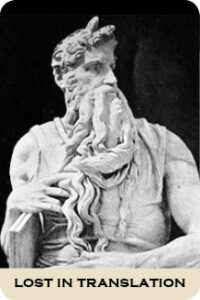 Lost in Translation is our weekly column about biblical translation issues, many of which aren’t always apparent from English translations of the Bible. Turning to God’s Word author Matthew Phelps posts a new entry each Monday morning on our Lost in Translation page; it’s linked on our homepage. These entries usually relate to the coming weekend Mass readings. A searchable archive of past entries also is provided. Contact us if you’d like to receive weekly Lost in Translation entries by email.
Do you have opinions about specific translations of the Bible?
Under study the Bible we briefly discuss the translations we use and provide links to online Catholic Bibles. We also include a comparison of the same text from nine translations, explain the pros and cons of using a Greek/English Interlinear New Testament, and take a look at The Abbey Psalms and Canticles, the Church’s official English translation of the psalms prepared by the Benedictine monks at Conception Abbey and now owned by the United States Conference of Catholic Bishops (USCCB).
 Does Turning to God’s Word offer a daily Scripture reflection?
Yes. At the top of our homepage we feature a link to the day’s readings on the United States Conference of Catholic Bishop (USCCB) website, as well as a short Bible reflection based on one or more of those readings. We also feature a weekly commentary on the upcoming Sunday readings along with a link to a relevant entry in the Lost in Translation archives. A different quote about Scripture appears on our homepage every day.
What do you offer to help with understanding of the weekend Mass readings?
Matthew Phelps writes a brief commentary on the Sunday readings that’s posted for a week ahead of time on our homepage. In addition, a Bible study led by Jennifer Phelps meets at Christ the King parish in Des Moines each week to discuss the Sunday readings. Relevant information is published online in advance along with schedules.
What other resources do you offer to aid with Bible study?
Under study the Bible we’ve collected information about the Bible, including how the differences between Catholic and Protestant Bibles came about, an explanation of traditional Catholic senses of Scripture, and a discussion of sola scriptura.
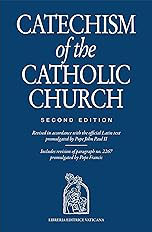 What do you think about the Catechism of the Catholic Church?
We rely on it to explain difficult Church teaching related to biblical text upon which our Catholic Bible studies are based. On our website we offer a history of the Catechism as well as some tips to make it easier to navigate through the book. In addition, some of the questions in Turning to God’s Word Catholic Bible studies direct participants to specific paragraphs in the Catechism that help to explain the text. All of our online lesson study pages include a link to a searchable version of the Catechism of the Catholic Church.
What about using study Bibles and outside commentaries with Turning to God’s Word studies?
It’s impossible to learn too much about the Scriptures. Discover how study Bibles and commentaries differ and what you can reasonably expect from each. We also offer very brief  reviews of some popular commentaries and study Bibles with which we’re familiar. In general, Turning to God’s Word Bible studies are designed to help people read and pray with Scripture with the goal of enriching their personal relationship with Jesus Christ. Many Catholics have gotten in the habit of turning to books about Scripture rather than turning to Scripture itself. We’ve found that people who rely too heavily on commentary often end up learning a lot about the commentator’s religious experience instead of taking advantage of questions encountered in the Scriptures to deepen their own relationship with Jesus. The goal of Turning to God’s Word Bible studies is to help individual Catholics gain the confidence to read the Bible for themselves and in so doing develop a more intimate personal relationship with God’s Word, Jesus.
Are there any other resources that you recommend to supplement your Bible studies?
Ex libris (in our library) lists short reviews and excerpts from books about topics relevant to our Bible studies. In our online lesson study pages we also occasionally recommend a related book listed on our main bookshelf that we think might interest our readers. The magisterial documents page under ex libris (in our library) provides links to papal encyclicals and other magisterial documents mentioned in our Bible studies.
Do you have any suggestions to reinforce praying with Scripture?
Yes. Under praying with Scripture we include information about lectio divina, Liturgy of the Hours, how to pray the Rosary (including a diagram and the Rosary prayers), and suggested prayers for Bible study groups, as well as a collection of traditional Marian prayers.
 Volume I and Volume II of our Catholic Bible study Sing a New Psalm: Communicating with God Through the Prayers of the Church also strongly emphasize praying with the psalms as a way for men and women to strengthen their relationship with Jesus.
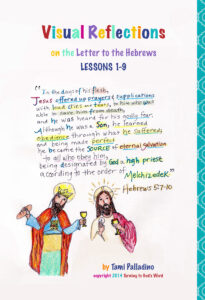 Do you have any experience with alternate forms of praying with Scripture?
Yes. Turning to God’s Word co-founder Tami Palladino kept a prayer journal in which  she captured themes from her meditation on the Letter to the Hebrews in words and drawings. Visual Reflections is the fruit of Tami’s meditation. Her unique journal follows the lessons in the Turning to God’s Word Catholic Bible study The Letter to the Hebrews: An Explanation of the Mechanism of Our Salvation.
Does Turning to God’s Word have a mission statement?
Under about us we explain our apostolate, as well as provide some information about ourselves and some of the people and organizations we support.
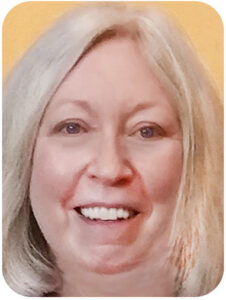
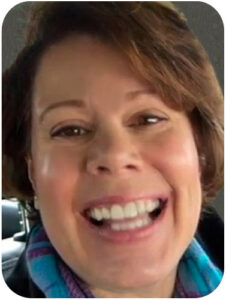 Are Turning to God’s Word authors available to talk to Catholic groups?
Yes. All of our authors have experience speaking to groups and leading retreats. Please contact us at least a month in advance if you would like to book a speaker.
 Does Turning to God’s Word hold annual Bible study events?
In past years we’ve sponsored a summer retreat at Conception Abbey, a Benedictine monastery in Conception, Missouri—the home of the Basilica of the Immaculate Conception. The pandemic forced us to cancel our 2020 retreat. Since then, we’ve been unable to reinstate those Bible study getaways. Visit our video directory to link to Matthew Phelps’ past conference talks.