
synoptic
 For its liturgy, the Catholic Church follows a set schedule of readings called a lectionary. Daily readings are on a two-year cycle alternating between years 1 and 2, while Sunday readings are on a three-year cycle alternating between years A, B, and C. Over a period of three years, those attending daily Mass will hear the vast majority of the Bible read.
The focus of the Sunday reading cycle is to go through the Gospels According to Matthew, Mark, and Luke, one per year. The Church separates these Gospel accounts because all three tell much the same story of Jesus’ life and public ministry from a similar point of view. Often these three books are called the synoptic Gospels.
The word synoptic comes from Greek roots. It has two parts. The first part, syn, comes from a Greek root that means “with.” The second part, optic, is from the Greek root that means “eye.” These two parts together, then, make up the word synoptic that means “with the same eye” and reflects the idea that the three evangelists take much the same perspective and approach to Jesus’ life.
In contrast to the three synoptic Gospels is the Gospel According to John. John takes a significantly different approach to describing the events of Jesus’ life. For that reason, the Gospel According to John is included evenly throughout all three years of the Sunday lectionary cycle.
related topics: Gospel
you also may like our study of the book of Exodus
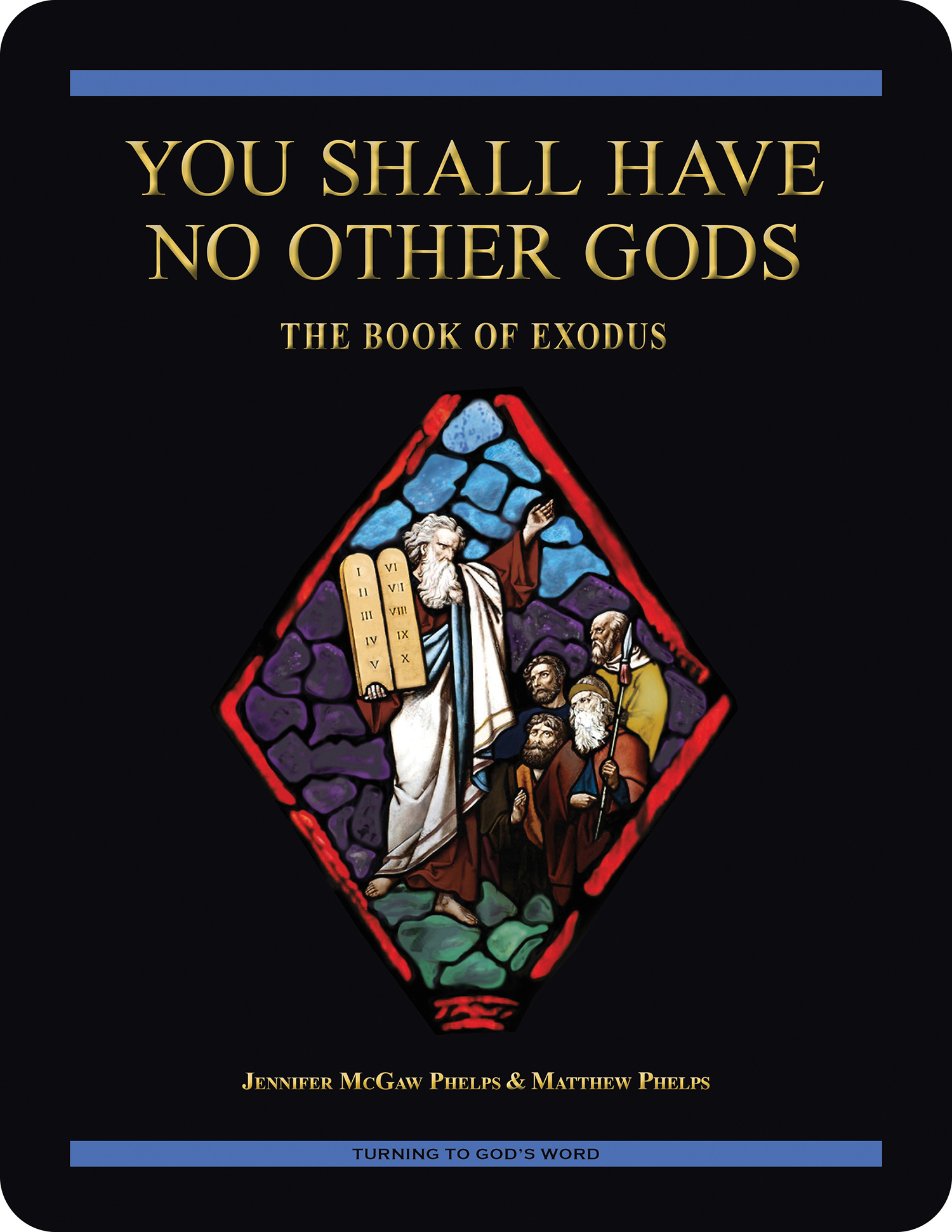 You Shall Have No Other Gods: The Book of Exodus, a 28-lesson Catholic Bible study with an imprimatur, provides an in-depth look at how significant events in biblical history that occurred thousands of years ago to descendants of Jacob remain relevant and even critical for present-day Christians to understand. The deliverance of the Hebrews from slavery in Egypt and the giving of Ten Commandments are examined along with the development of Moses’ relationship to God. Click here to view a sample of the first lesson.
 Click on the picture of the statue of Moses with horns (above) to learn more about Lost in Translation. A new entry is archived each Monday. Contact us to receive Lost in Translation by email every week. You may use any of the contact links on our website to ask Matthew a question.