
times & seasons
 In the First Letter to the Thessalonians, Paul describes what the end times will look like and how the last days will come upon many as a surprise—while faithful Christians will be ready. In setting up this idea, Paul uses an interesting phrase. In the First Letter to the Thessalonians 5:1 (NABRE) he writes, “Concerning times and seasons…”. This odd phrase seems even more so in Greek.
The word translated here as times is the Greek χρόνος (chronos). It refers to time in general or to a specific period or passage of time. What’s most interesting is that it’s used in the plural, an oddity in both Greek and English. The word translated as seasons, καιρός (kairos), refers most literally to a due measure. In the sense of time, it then either means a measured amount of time such as a set season or can refer to the fullness of time in a way that means the right time for something to happen. This word also is pluralized.
Because he uses both of the common Greek time words and uses them both in the plural, it appears that Paul is referring as much as possible to essentially everything to do with time. He suggests that practicing Christians are intimately familiar with how God is manifested in time, and so we won’t be surprised by what is coming.
Do you think you’ll see what’s coming, or will you be caught by surprise?
related topics: Ordinary Time; time
you also may like our study of the book of Exodus
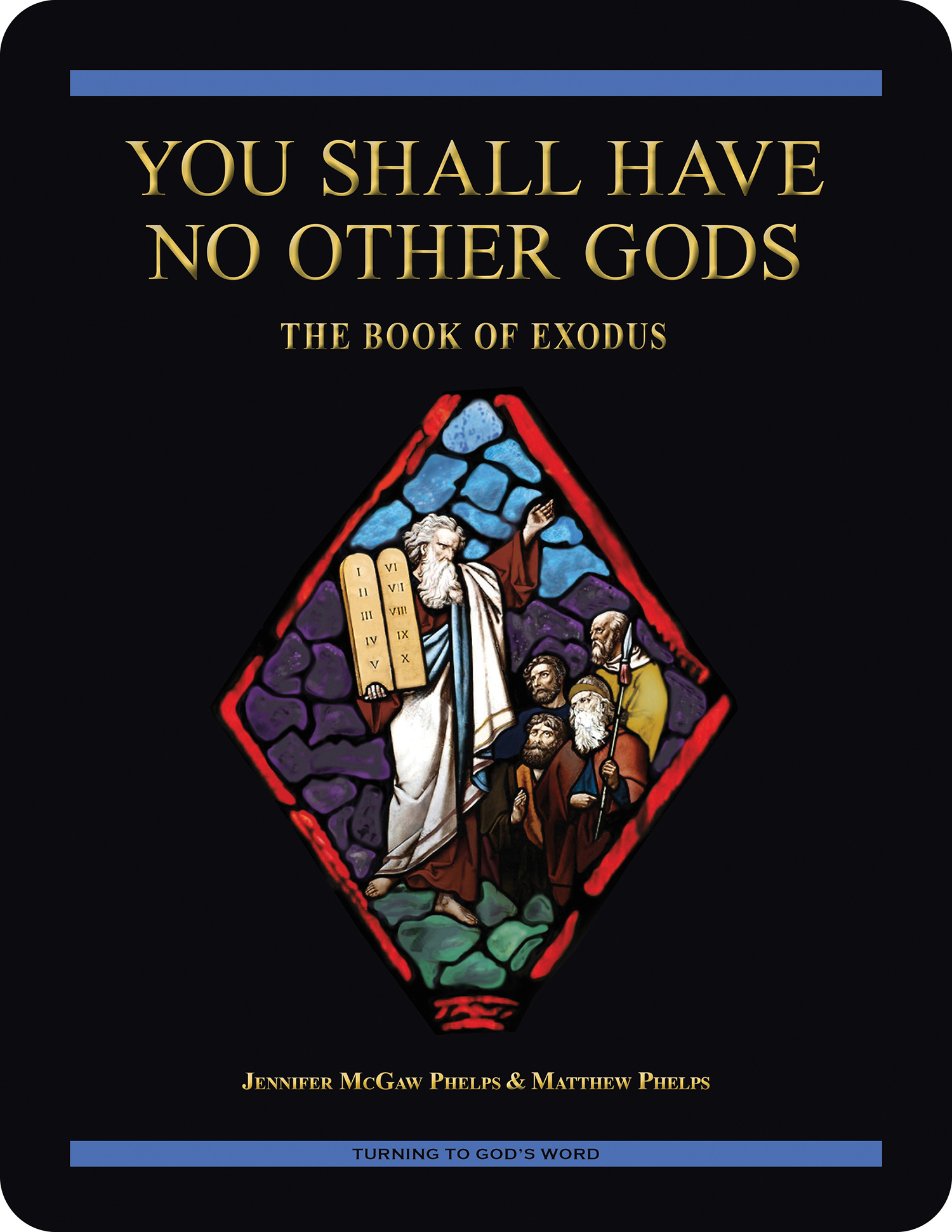 You Shall Have No Other Gods: The Book of Exodus, a 28-lesson Catholic Bible study with an imprimatur, provides an in-depth look at how significant events in biblical history that occurred thousands of years ago to descendants of Jacob remain relevant and even critical for present-day Christians to understand. The deliverance of the Hebrews from slavery in Egypt and the giving of Ten Commandments are examined along with the development of Moses’ relationship to God. Click here to view a sample of the first lesson.
 Click on the picture of the statue of Moses with horns (above) to learn more about Lost in Translation. A new entry is archived each Monday. Contact us to receive Lost in Translation by email every week. You may use any of the contact links on our website to ask Matthew a question.